If you’ve ever dreamed of mastering the perfect steak at home, this Cast Iron Ribeye Steak with Garlic and Thyme Recipe is exactly what you need. With a beautiful crust, juicy interior, and rich flavors infused by garlic and fresh thyme, this simple yet stunning dish turns an ordinary ribeye into a dinner worthy of celebration. Cooking your steak in a cast iron skillet ensures a steady, high heat that locks in all those meaty juices, while basting it with butter and herbs brings an irresistible aroma and depth. Whether you’re a steak lover or just looking to impress, this recipe is a go-to favorite to keep in your culinary arsenal.
Ingredients You’ll Need
Getting great results with this Cast Iron Ribeye Steak with Garlic and Thyme Recipe starts with just a handful of ingredients. Each plays a critical role—from the seasoning that highlights the meat’s natural flavor to the butter and herbs that add decadence and aroma.
- 1 thick-cut boneless ribeye steak (about 1 pound): Choose a good quality steak with nice marbling for maximum flavor and tenderness.
- Kosher salt and freshly ground black pepper: These simple seasonings enhance the beef’s natural flavors without overpowering them.
- 3 tablespoons vegetable oil: A high smoke point oil is essential for achieving that perfect sear without burning.
- 3 tablespoons unsalted butter (⅜ stick): Adds richness and helps carry the flavors of garlic and thyme during basting.
- 4 cloves garlic (smashed): Infuses the steak with a fragrant, mellow garlic aroma throughout cooking.
- 3 sprigs fresh thyme: Fresh herbs bring an earthy, slightly minty note that complements the steak beautifully.
How to Make Cast Iron Ribeye Steak with Garlic and Thyme Recipe
Step 1: Season Your Steak
Start by patting your ribeye dry with paper towels—this is critical for achieving a fantastic sear. Then, generously sprinkle kosher salt and freshly ground black pepper over all sides of the steak. Don’t be shy with the seasoning; it’s what helps form the savory crust and brings out the beef’s natural flavor.
Step 2: Heat the Cast Iron Pan
Place your cast iron skillet on the stove and add the vegetable oil. Turn the heat up to high and wait until the oil starts to shimmer and smoke lightly. This intense heat is your ticket to a golden-brown crust that locks in all the juices.
Step 3: Sear One Side
Carefully lay your seasoned ribeye onto the hot pan. Let it cook untouched for 2 minutes to develop that amazing char. Moving it too soon might prevent a proper crust from forming.
Step 4: Flip and Sear the Other Side
Turn the steak over and cook for another 2 minutes. This balance of heat on both sides ensures an even sear and the beginning of a perfect cook.
Step 5: Sear the Edges
Hold the steak on its edges with tongs and sear each side for about 1 minute. This step creates a full crust that surrounds every bite, making the steak irresistible.
Step 6: Add Butter, Garlic, and Thyme for Basting
Lower the heat to medium-low and toss the unsalted butter, smashed garlic cloves, and fresh thyme sprigs into the pan. As the butter melts, tilt the pan slightly and use a spoon to baste the steak continuously. Flip the steak every 20 seconds while basting for 3 to 4 minutes. This technique imparts incredible flavor and helps cook the steak evenly throughout.
Step 7: Check the Temperature and Remove
Use an instant-read thermometer to keep track of doneness. Remove the steak from the pan about 15°F before your target temperature since it will continue to cook while resting. This precision makes all the difference between perfect and overcooked.
Step 8: Rest Your Steak
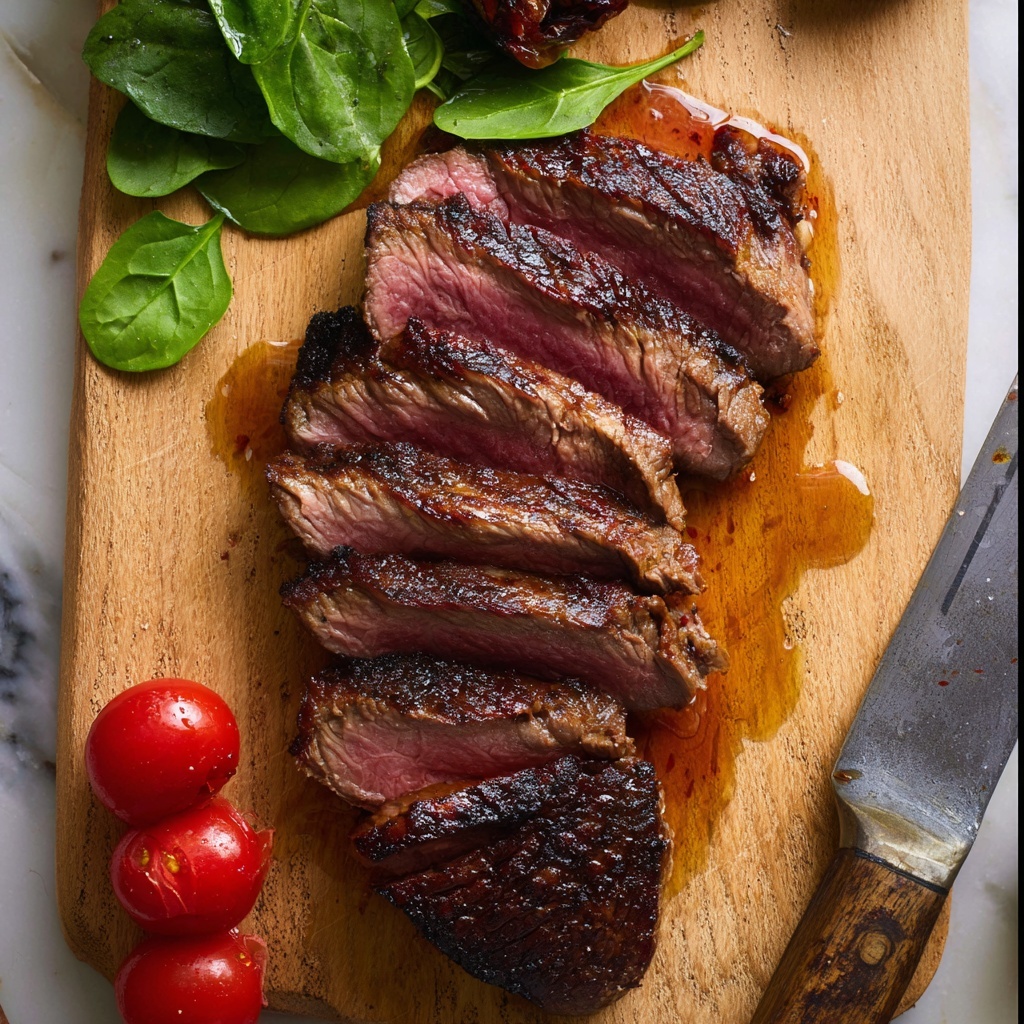
Transfer the ribeye to a cutting board and let it rest for at least 5 minutes. This pause allows the juices to redistribute, so every slice bursts with juicy flavor.
Step 9: Slice and Serve
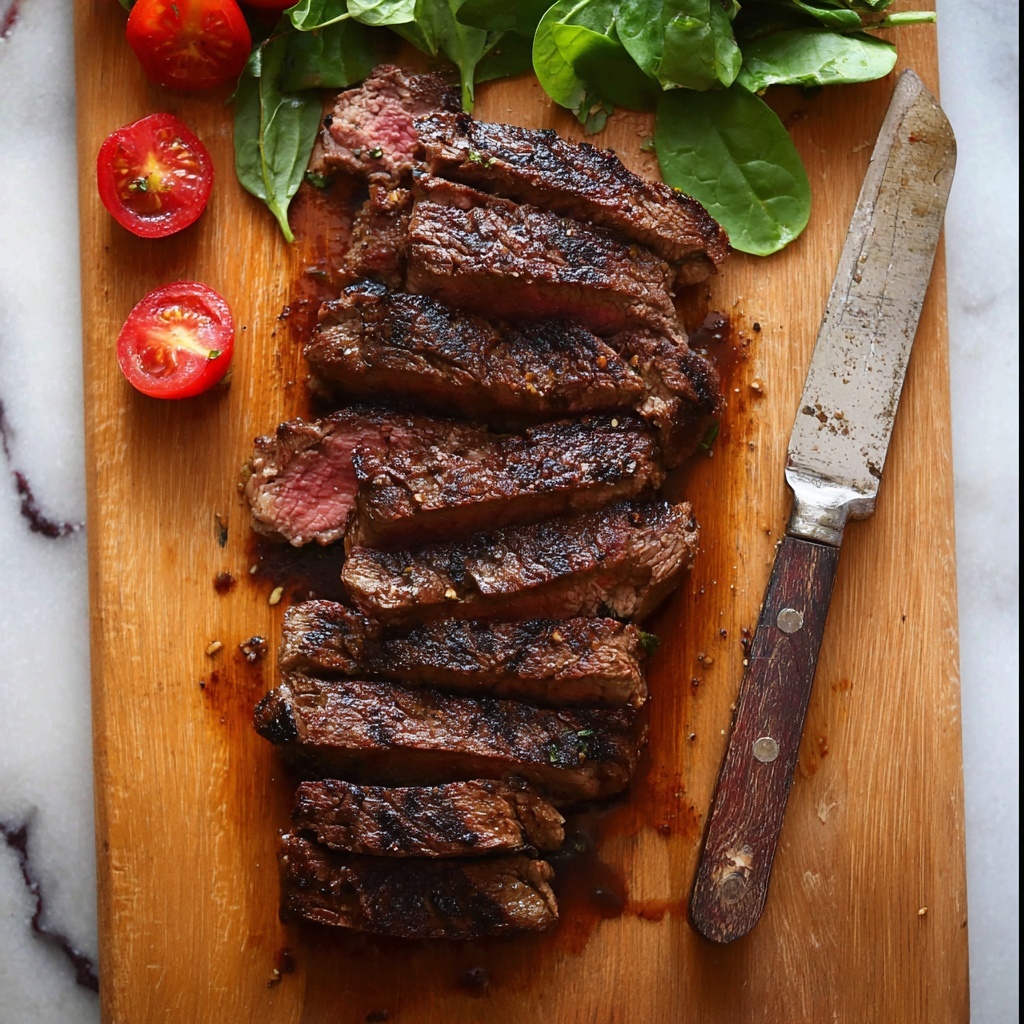
Slice your rested steak against the grain to maximize tenderness. Serve immediately and enjoy the rich, aromatic experience of your Cast Iron Ribeye Steak with Garlic and Thyme Recipe at its absolute best.
How to Serve Cast Iron Ribeye Steak with Garlic and Thyme Recipe
Garnishes
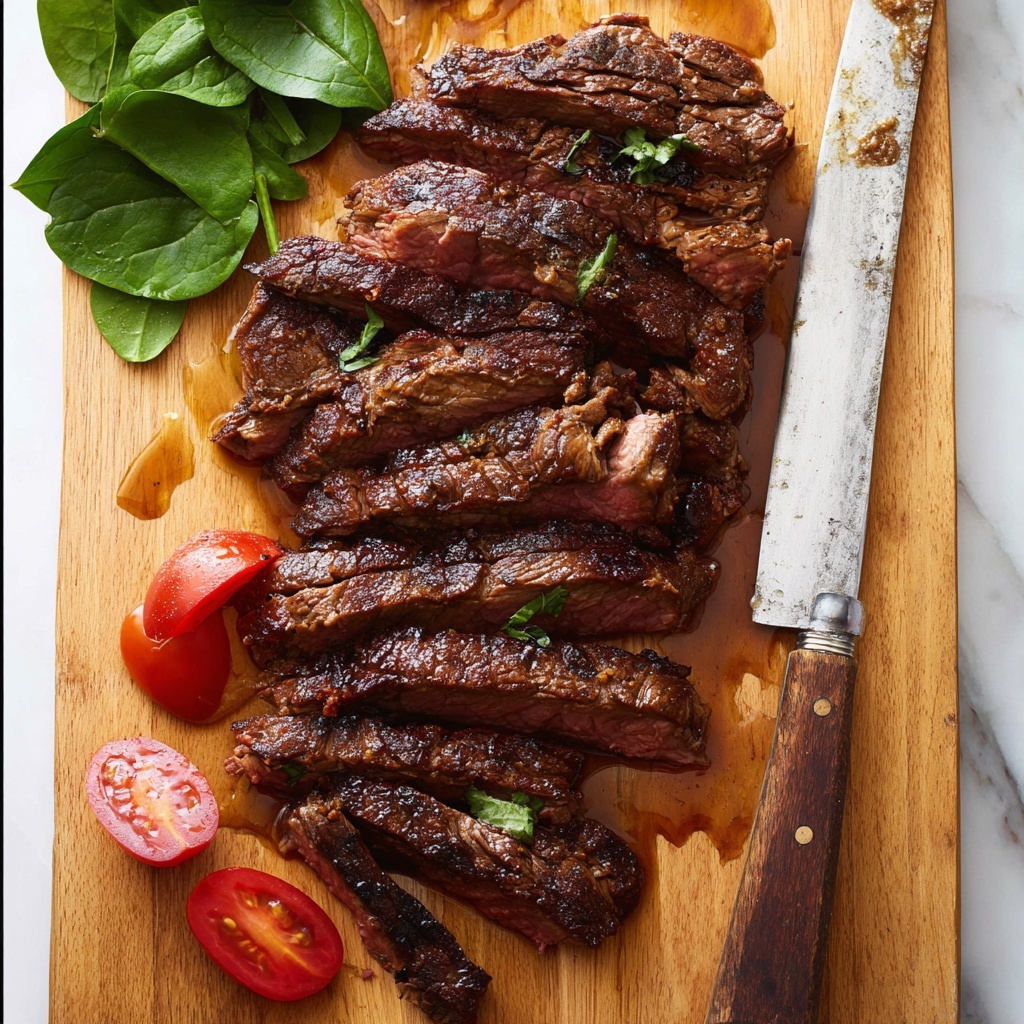
A sprinkle of flaky sea salt right before serving adds a delightful crunch and intensifies flavors. Fresh thyme leaves or finely chopped parsley also brighten the plate and add a hint of fresh herbal aroma.
Side Dishes
This steak pairs wonderfully with classic roasted vegetables like asparagus or Brussels sprouts. Creamy mashed potatoes or a crisp green salad also complement the rich, buttery flavors perfectly, giving balance and variety to the meal.
Creative Ways to Present
For a restaurant-worthy touch, arrange thin slices fan-style on the plate, drizzle with pan juices, and add a dollop of herb butter on top. Serving with grilled lemon wedges for a fresh citrus twist adds visual appeal and an exciting burst of flavor.
Make Ahead and Storage
Storing Leftovers
Place leftover steak in an airtight container and keep refrigerated for up to 3 days. To maintain juiciness, store slices separated with parchment paper to prevent sticking and moisture loss.
Freezing
You can freeze cooked ribeye steak by wrapping it tightly in plastic wrap and then in aluminum foil or using vacuum-sealed bags. Properly stored, it will keep well for up to 2 months without sacrificing much flavor or texture.
Reheating
To reheat without drying out, gently warm the steak in a skillet over low heat with a splash of beef broth or water to create steam. Cover with a lid for even warming. Avoid microwaving as it can make the steak tough.
FAQs
What thickness should my ribeye steak be for this recipe?
A steak about 1 inch to 1 ½ inches thick works best. This thickness allows for a beautiful crust while keeping the inside tender and juicy.
Can I use a different cut of steak for this Cast Iron Ribeye Steak with Garlic and Thyme Recipe?
Absolutely! While ribeye is ideal for its marbling and flavor, you can try similar cuts like New York strip or sirloin. The cooking technique remains the same, but adjust times based on thickness and fat content.
How do I know when the steak is done?
Using an instant-read thermometer is your best bet. For medium-rare, aim for about 130°F before resting. Remember the steak keeps cooking a bit after you remove it from the pan.
Can I use dried thyme instead of fresh?
Fresh thyme provides a brighter, more vibrant flavor, but in a pinch, dried thyme can work. Use about a third of the amount and add it during the basting stage so it can rehydrate and infuse the butter.
Is it necessary to rest the steak after cooking?
Yes, resting is crucial to keep the steak juicy. Skipping this step causes all the delicious juices to run out when you slice, leaving the meat drier.
Final Thoughts
This Cast Iron Ribeye Steak with Garlic and Thyme Recipe is pure joy on a plate—simple, satisfying, and downright delicious. The magic happens in that hot cast iron pan, where a perfect sear meets aromatic butter basting for steak that’s tender and packed with flavor. Whether for a special occasion or any day you want to treat yourself, I encourage you to try this recipe and savor the deliciousness you can create right at home.
Print
Cast Iron Ribeye Steak with Garlic and Thyme Recipe
- Prep Time: 5 minutes
- Cook Time: 10 minutes
- Total Time: 15 minutes
- Yield: 2 servings
- Category: Main Course
- Method: Stovetop
- Cuisine: American
Description
This cast iron steak recipe delivers a perfectly seared, juicy ribeye with a rich, buttery garlic and thyme flavor. Using a hot cast iron pan, the steak is seared on all sides to develop a beautiful crust, then basted with melted butter infused with garlic and fresh thyme. The method ensures even cooking and maximum flavor, yielding a tender and delicious steak perfect for any steak lover.
Ingredients
Steak
- 1 thick-cut boneless ribeye steak (about 1 pound)
- Kosher salt and freshly ground black pepper (to taste)
For Cooking and Basting
- 3 tablespoons vegetable oil
- 3 tablespoons unsalted butter (⅜ stick)
- 4 cloves garlic (smashed)
- 3 sprigs fresh thyme
Instructions
- Prepare the Steak: Pat the ribeye steak dry with paper towels to ensure a good sear. Generously season all sides of the steak with kosher salt and freshly ground black pepper to enhance the flavor.
- Heat the Pan: Place a cast iron pan on the stovetop and add the vegetable oil. Heat it over high heat until the oil begins to smoke slightly, indicating the pan is hot enough for searing.
- Sear the First Side: Carefully add the seasoned steak to the hot pan, ensuring it makes full contact with the surface. Cook without moving it for 2 minutes to develop a crust.
- Sear the Second Side: Flip the steak and cook for another 2 minutes on the opposite side.
- Sear the Edges: Sear each edge of the steak for about 1 minute to create a crust all around the steak.
- Baste with Butter and Aromatics: Reduce heat to medium-low and add unsalted butter, smashed garlic cloves, and thyme to the pan. As the butter melts, tilt the pan and continuously spoon the melted butter over the steak, flipping it every 20 seconds for 3-4 minutes to cook evenly and infuse flavor.
- Check Temperature and Remove: Use an instant-read thermometer to monitor the steak’s internal temperature. Remove the steak from the pan when it is about 15°F below your desired doneness to account for carryover cooking.
- Rest the Steak: Transfer the steak to a cutting board and let it rest untouched for about 5 minutes, allowing the juices to redistribute.
- Slice and Serve: Slice the rested steak against the grain into your preferred thickness and serve immediately for the best flavor and texture.
Notes
- Make sure to pat the steak dry to achieve the best sear.
- Use a cast iron pan for even heat distribution and a superior crust.
- The internal temperature will rise during resting, so remove the steak from the pan a little early.
- Resting the steak is crucial to retain its juices and tenderness.
- Slicing against the grain ensures each bite is tender.