

If you’ve ever wondered how to preserve the vibrant color, crisp texture, and fresh flavor of your favorite veggies, then you’re in for a treat. This How to Blanch Vegetables Recipe is a simple, time-tested technique that elevates your vegetables from ordinary to extraordinary. Whether you’re prepping for a salad, a stir-fry, or just want perfectly tender-crisp veggies to enjoy on their own, blanching is your secret weapon for delicious, restaurant-quality results right at home.
Ingredients You’ll Need
Blanching vegetables requires just a handful of essential ingredients, each serving a unique and important role in the process. These basics keep the veggies tasting bright, maintaining their texture and color so they’re perfect every time.
- Vegetables: Choose fresh asparagus, broccoli, green beans, or any vegetable you love to brighten and quick-cook.
- Water: Use enough to fully submerge your veggies for even cooking.
- Salt: Adding salt to boiling water enhances flavor and helps veggies retain their vibrant color.
- Ice water: This ice bath immediately stops the cooking process and locks in crispness and color.
How to Make How to Blanch Vegetables Recipe
Step 1: Prepare Vegetables
Start off by gathering your vegetables and giving them a thorough wash. Cut or slice them into uniform pieces; this little step ensures every piece cooks evenly and beautifully. It’s a small detail that makes a big difference!
Step 2: Boil Water
Fill a large pot with enough water to cover your vegetables completely, then generously salt it. The salt not only seasons the veggies but also brightens their color during blanching. Bring the water to a rolling boil on high heat—this is the heart of your blanching process.
Step 3: Prepare Ice Bath
While the water is heating up, prepare your ice bath by filling a large bowl with ice and cold water. The cold shock halts the cooking instantly, preserving that perfect crunch and vibrant hue. Lay a clean dish towel nearby; you’ll need a cozy spot for drying the veggies right after cooling.
Step 4: Blanch Vegetables
Once your water is boiling, add vegetables in manageable handfuls to avoid overcrowding. Submerge them fully, and keep a close eye, checking every 30 seconds for doneness. Depending on what you’re blanching, cooking times usually range between 2 to 5 minutes. The goal here is tender but crisp—think vibrant spring freshness rather than mushy softness.
Step 5: Shock the Vegetables
As soon as the veggies reach that tender-crisp perfection, scoop them out quickly with a slotted spoon or tongs and drop them into the ice bath. Let them chill until completely cooled. Finally, spread the veggies out on your dish towel to dry—it’s key for avoiding sogginess and prepping them for any dish.
How to Serve How to Blanch Vegetables Recipe
Garnishes
Once blanched, your vegetables are a fantastic canvas for garnishes. Sprinkle freshly cracked black pepper, a squeeze of lemon zest, or a drizzle of toasted sesame oil to elevate their flavor profile. Fresh herbs like parsley or basil add a lovely herbal brightness.
Side Dishes
Blanched veggies make an excellent side to virtually any meal—from grilled chicken to hearty pasta dishes. They’re especially wonderful alongside roasted meats, providing a color and texture contrast that’s simply irresistible.
Creative Ways to Present
Try serving your blanched vegetables chilled as part of a vibrant salad, tossed with nuts and vinaigrette. Or plate them as an elegant vegetable platter accompanied by flavorful dips like hummus or tzatziki. Their bright colors pop beautifully on any table.
Make Ahead and Storage
Storing Leftovers
Blanched vegetables keep beautifully in the refrigerator for up to 3 days if stored in an airtight container. Make sure they are fully dry to prevent condensation, which can cause sogginess.
Freezing
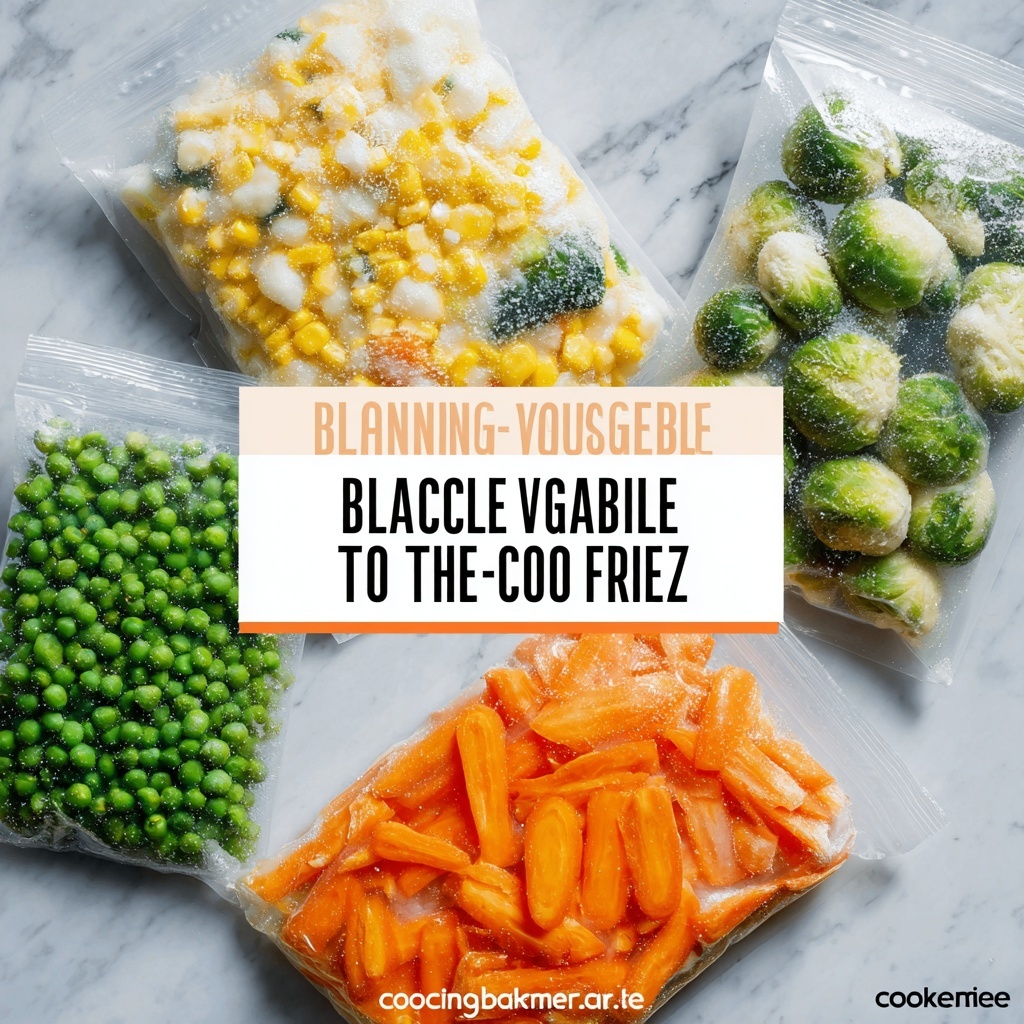
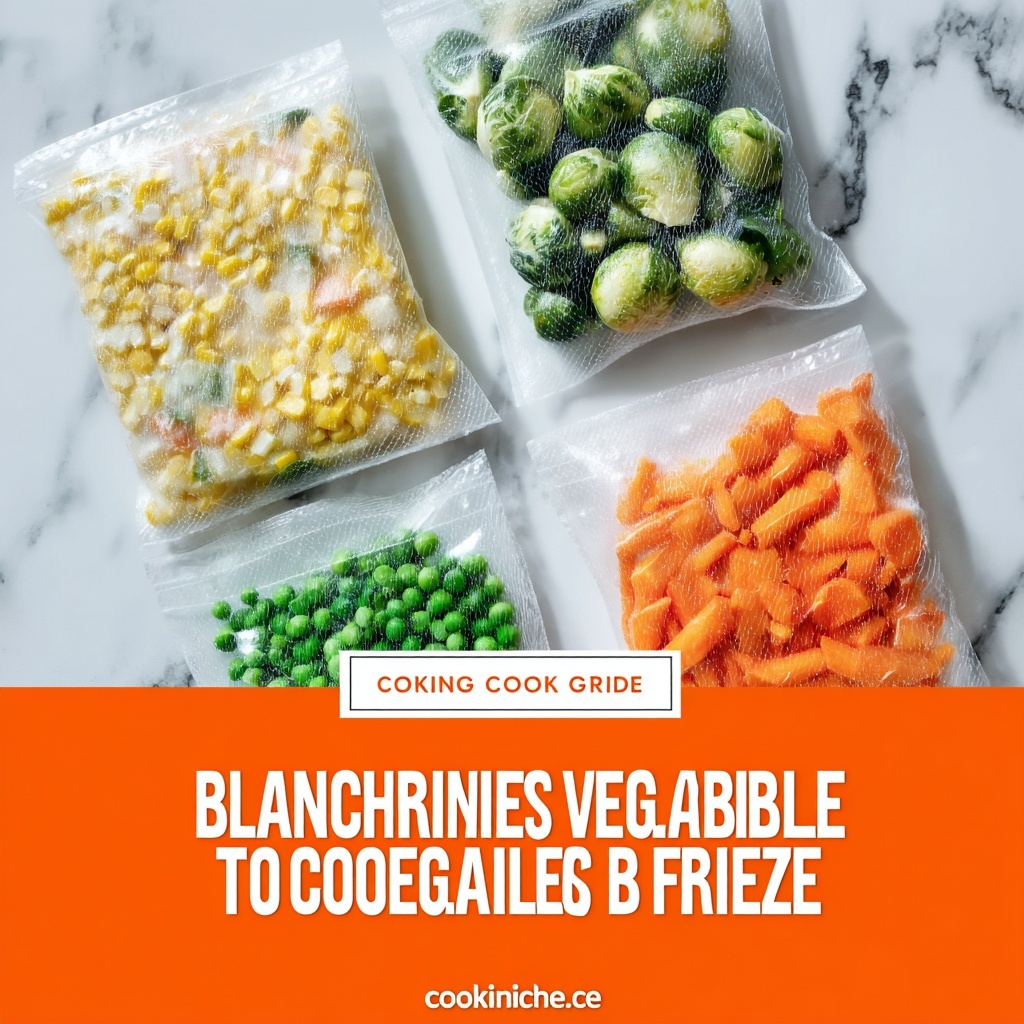
This blanching technique is perfect for freezing! After shocking and drying, spread your vegetables on a baking sheet to freeze individually, then transfer to freezer bags. This prevents clumping and keeps your veggies fresh for months.
Reheating
Reheat blanched veggies gently to maintain their texture; steaming or quick sautés are ideal. Avoid microwaving for too long, which can turn them mushy. Sometimes serving them cold or at room temperature works just as well.
FAQs
Why do I need to salt the water when blanching?
Salting the water seasons the vegetables while they cook and helps preserve their bright color, making them much more flavorful and visually appealing.
How long should I blanch different vegetables?
The blanching time varies by vegetable: delicate asparagus may only need 2 minutes, while thicker broccoli florets can take up to 5. The key is to keep them tender-crisp and not overcook.
Can I blanch frozen vegetables?
It’s best to blanch fresh vegetables for optimal texture, but you can briefly blanch frozen veggies to refresh their flavor before using in recipes.
What happens if I skip the ice bath?
Skipping the ice bath means your vegetables continue cooking in residual heat, which results in mushy textures and faded colors. The ice bath is critical to stop cooking instantly.
Is blanching the same as boiling?
Blanching is a quick boil followed by rapid cooling in ice water—this process sets the texture and color, unlike full boiling which cooks veggies fully and can soften them too much.
Final Thoughts
I can’t recommend this How to Blanch Vegetables Recipe enough for anyone looking to elevate their veggie game. It unlocks a world of fresh flavor, brilliant color, and perfect texture that makes simple veggies feel like a special treat. Give it a try soon—you’ll wonder how you ever cooked vegetables without it!
Print
How to Blanch Vegetables Recipe
- Prep Time: 5 minutes
- Cook Time: 5 minutes
- Total Time: 10 minutes
- Yield: 2 servings
- Category: Vegetable Preparation
- Method: Blanching (combination of boiling and immediate cooling in ice water)
- Cuisine: Universal
- Diet: Vegetarian
Description
Learn how to blanch vegetables perfectly to preserve their color, texture, and nutrients. This simple technique involves briefly boiling vegetables followed by plunging them into an ice bath to stop the cooking process, ideal for preparing asparagus, broccoli, green beans, and more.
Ingredients
Vegetables
- Assorted vegetables such as asparagus, broccoli, green beans – quantity as desired
For Blanching
- Water – enough to fill a large pot and fully submerge vegetables
- Salt – to season the boiling water (about 1 tablespoon per gallon)
For Ice Bath
- Ice water – enough to fill a large bowl for shocking vegetables after boiling
Instructions
- Prepare Vegetables: Gather your selected vegetables and cut or slice them into uniform pieces to ensure even cooking.
- Boil Water: Fill a large pot with enough water to cover the vegetables, add plenty of salt, and bring to a rolling boil over high heat.
- Prepare Ice Bath: While waiting for the water to boil, fill a large bowl with ice-cold water to create an ice bath. Place a paper towel or dish towel nearby for drying the vegetables after shocking.
- Blanch Vegetables: Add handfuls of vegetables to the boiling water, submerging them fully. Cook for 2-5 minutes depending on the vegetable, checking for doneness every 30 seconds. Vegetables should be tender yet crisp.
- Shock the Vegetables: Use a slotted spoon or tongs to quickly remove the vegetables from boiling water and immediately plunge them into the ice bath. Leave them to cool completely, then remove and dry on the towel.
Notes
- Cut vegetables in uniform sizes to ensure even cooking.
- The blanch time varies: tender vegetables like green beans need about 2 minutes, while denser vegetables like broccoli or asparagus may need closer to 4-5 minutes.
- Salted boiling water enhances vegetables’ flavor and helps maintain texture and color.
- Ensure the ice bath is very cold to quickly stop cooking and preserve crispness.
- Dry vegetables well after shocking to avoid sogginess if using later in salads or sautés.