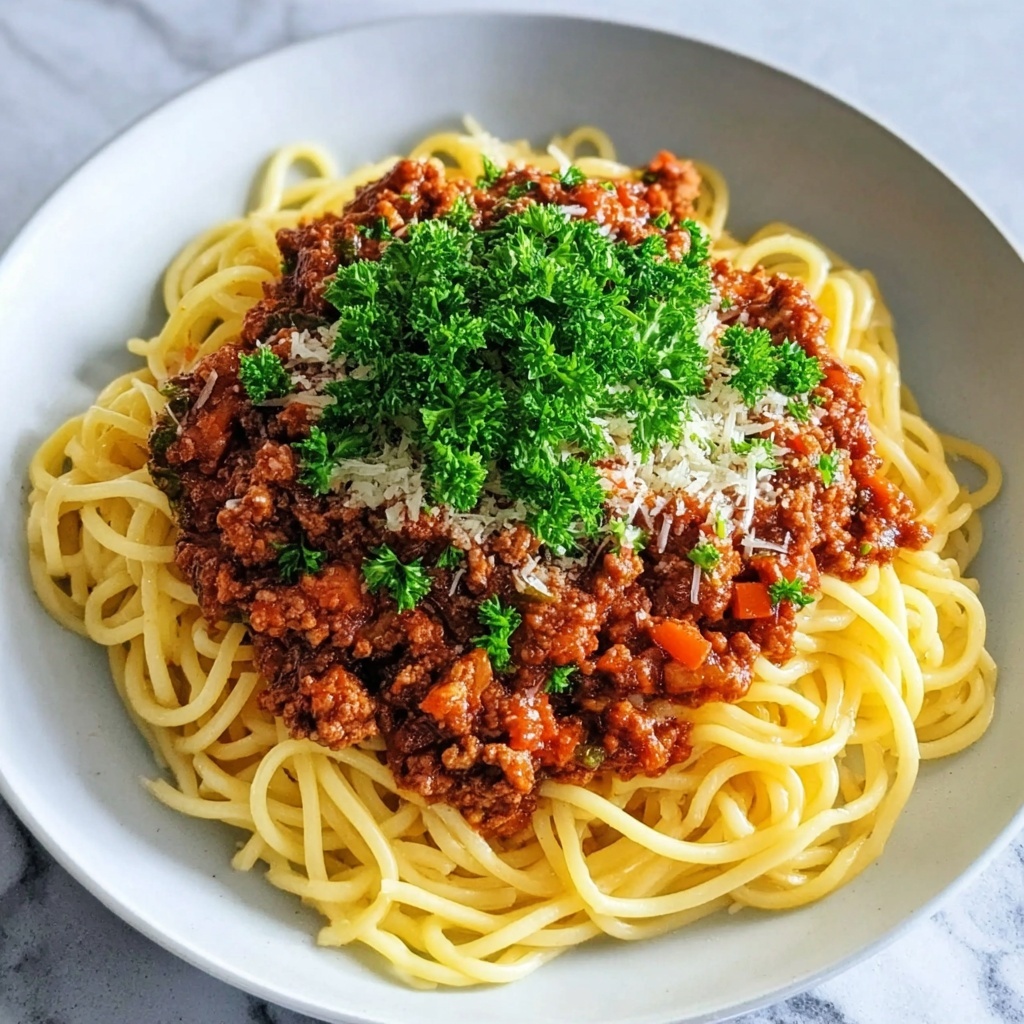
If you have ever wanted to master a dish that feels like a warm hug from Italy, the Classic Spaghetti Bolognese Recipe is exactly what you need. This timeless favorite combines rich, slow-simmered meat sauce with tender spaghetti for a meal that comforts and delights with every bite. The perfect blend of aromatic vegetables, savory beef, a splash of red wine, and creamy milk creates a sauce so luscious and flavorful, you’ll find yourself coming back to this recipe again and again. Whether it’s a weeknight dinner or a special occasion, this recipe captures the essence of traditional Italian cooking in the most satisfying way.
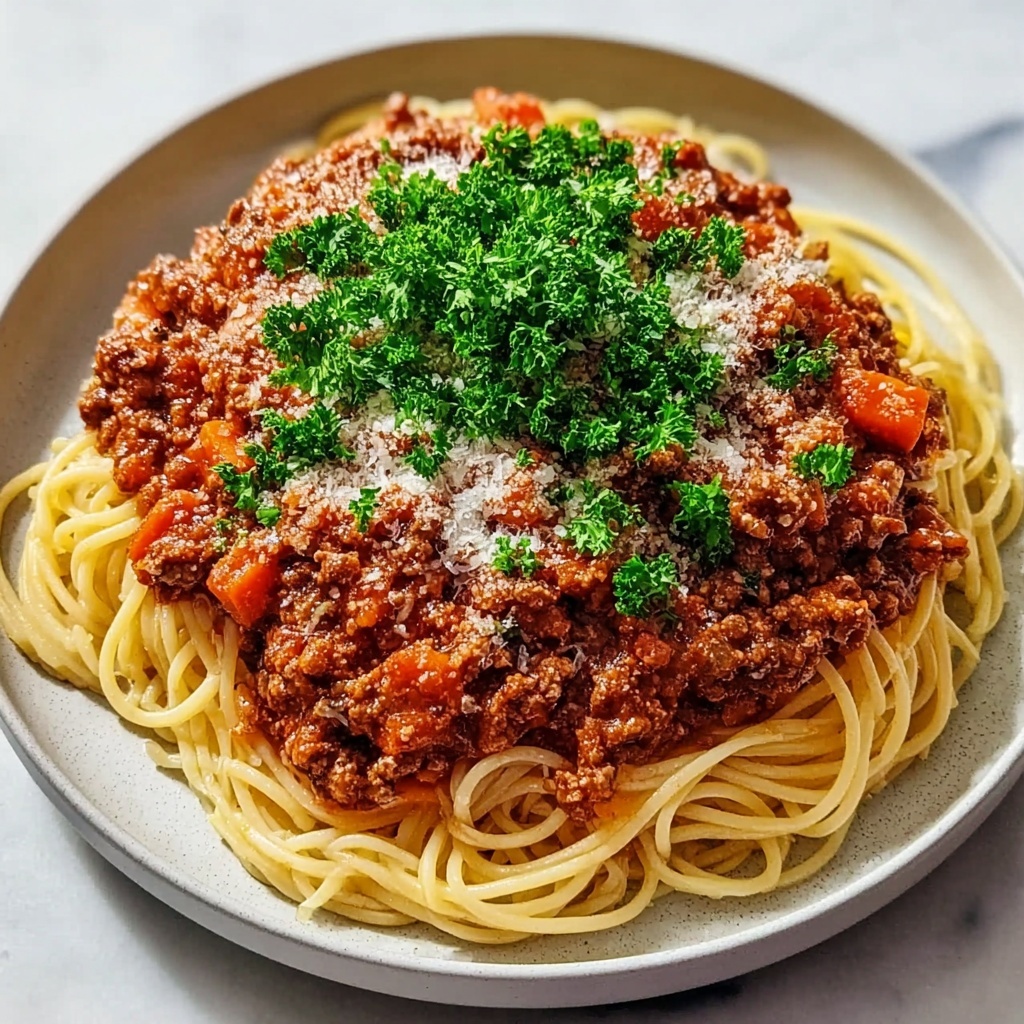
Ingredients You’ll Need
Getting the ingredients right is the first step to making your Classic Spaghetti Bolognese Recipe unforgettable. Each item works harmoniously to build layers of flavor, texture, and color, making the final dish both beautiful and delicious.
- 400 g dried spaghetti: The perfect base, giving you that classic al dente bite.
- 2 tbsp olive oil: Adds a fruity richness to sauté the vegetables gently.
- 1 tbsp unsalted butter (optional): Creates extra depth and smoothness in your sauce.
- 1 large yellow onion, finely diced: Provides sweetness and a tender bite as the base flavor.
- 2 medium carrots, finely diced: Adds natural sweetness and a subtle crunch.
- 2 celery ribs, finely diced: Offers a gentle herbal fragrance to balance the sauce.
- 3 cloves garlic, minced: Brings bright aromatic notes to awaken the sauce.
- 500 g round beef (80–90% lean): Gives hearty meaty richness without too much fat.
- 100 g pancetta or streaky bacon, finely chopped (optional): Injects smoky depth and traditional flair.
- 120 ml (1/2 cup) dry red wine: Adds complexity and acidity that enhances every flavor.
- 800 g canned crushed tomatoes or tomato passata: The vibrant tomato heart of the sauce.
- 2 tbsp tomato paste: Concentrates tomato flavor and helps thicken the sauce.
- 250 ml (1 cup) beef stock or water: Keeps the sauce luscious and moist during simmering.
- 150 ml (2/3 cup) whole milk or half-and-half: Softens acidity and adds creamy silkiness.
- 1 bay leaf: Infuses subtle earthy aroma throughout the cooking.
- 1 tsp dried oregano: Sprinkles Mediterranean warmth into the sauce.
- 1 tsp dried thyme or Italian seasoning: Boosts herbal brightness in every bite.
- 1/2 tsp sugar (optional): Helps balance the tomato’s natural acidity perfectly.
- Salt, to taste: Essential to elevate all flavors in the sauce and pasta.
- Freshly ground black pepper, to taste: Adds a fragrant kick with every mouthful.
- Pinch of red pepper flakes (optional): Offers gentle heat to awaken the senses.
- Fresh basil or flat-leaf parsley, chopped, for serving: Bright, fresh herbs to finish the dish beautifully.
- 60–80 g freshly grated Parmesan cheese, plus extra for serving: Creamy, salty topping to crown your masterpiece.
How to Make Classic Spaghetti Bolognese Recipe
Step 1: Prepare the Vegetables
Start by finely dicing the onion, carrots, and celery into small, even pieces. This creates the classic soffritto base, which softens and melds beautifully into the sauce, imparting sweetness and texture. Mince the garlic and chop the pancetta or bacon if you decided to include it, preparing all your components for a smooth cooking process.
Step 2: Cook the Soffritto
Heat the olive oil and optional butter in a large heavy-bottomed pot over medium heat. Add the diced onion, carrot, and celery along with a pinch of salt to draw out moisture. Cook gently for about 8 to 10 minutes, stirring occasionally, until the vegetables are soft and have turned a lovely light golden shade, but not browned. This slow cooking unlocks the natural sugars, forming a delicious flavor foundation. Stir in the minced garlic and cook for another 30 to 60 seconds until fragrant.
Step 3: Brown the Pancetta and Beef
Add the finely chopped pancetta or bacon, if using, allowing it to render its fat and brown slightly for 3 to 4 minutes. Then crank up the heat to medium-high and add your ground beef, breaking it up with a wooden spoon. Season lightly with salt and pepper. Cook the meat for 6 to 8 minutes, stirring frequently, until it’s fully browned with a few caramelized bits on the bottom of the pot—those bits are packed with flavor and will enrich your sauce tremendously.
Step 4: Deglaze with Red Wine
Pour in the red wine, scraping the pan’s bottom to loosen all those tasty browned bits. Let the wine simmer and reduce for 2 to 3 minutes so the alcohol evaporates but leaves behind a lush depth that will elevate your sauce to restaurant-quality.
Step 5: Add Tomatoes and Seasonings
Stir in the tomato paste and let it cook for 1 to 2 minutes to slightly caramelize and deepen its flavors. Then add the crushed tomatoes or passata, beef stock or water, and your bay leaf, oregano, thyme or Italian seasoning, optional sugar, and red pepper flakes if you like a hint of heat. Bring everything to a gentle simmer, stirring to combine now and then.
Step 6: Slow Simmer the Sauce
Lower the heat to keep a barely bubbling simmer and partially cover the pot with the lid slightly ajar. Let the sauce cook slowly for at least 45 to 60 minutes, stirring every 10 to 15 minutes to prevent sticking. For an even richer and more complex flavor, extend cooking up to 2 hours, adding a splash of water or stock if the sauce thickens too much. Taste and adjust the salt and pepper during the final minutes for perfect seasoning.
Step 7: Stir in the Milk
About 15 minutes before serving, stir in the milk or half-and-half. This step is crucial to mellow the acidity of the tomatoes and add a luscious, silky texture. Let it simmer gently uncovered until the sauce thickens slightly again, then remove the bay leaf and give the seasoning a final check.
Step 8: Cook the Spaghetti
While the sauce finishes, bring a large pot of well-salted water to a rolling boil. Cook the spaghetti according to package instructions until al dente, firm to the bite but cooked through. Reserve about one cup of the starchy pasta water before draining to help marry the sauce and noodles seamlessly.
Step 9: Combine Pasta and Sauce
Return the drained spaghetti to the pot or a large bowl. Add a generous few ladles of your glorious Bolognese sauce and a splash of the reserved pasta water. Toss everything together gently over low heat or thoroughly in the bowl until the noodles are coated in a glossy, mouthwatering sauce that clings beautifully to every strand.
Step 10: Serve
Plate your sauced spaghetti in warmed bowls, spooning extra sauce on top for that irresistible look. Shower each bowl with freshly grated Parmesan and sprinkle with chopped basil or parsley and freshly ground black pepper. Serve immediately and enjoy the comforting magic of your homemade Classic Spaghetti Bolognese Recipe.
How to Serve Classic Spaghetti Bolognese Recipe
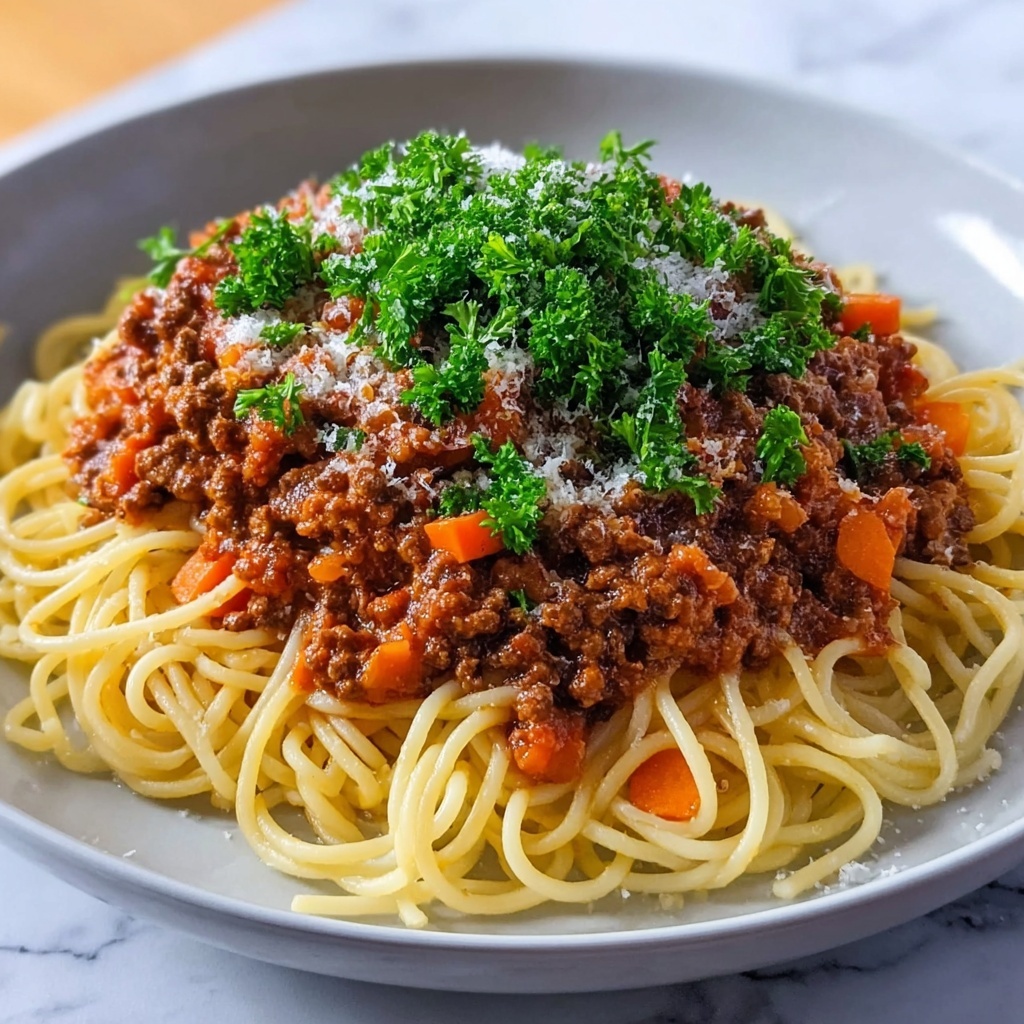
Garnishes
Fresh herbs like chopped basil or flat-leaf parsley give your dish inviting color and a fresh burst of flavor, perfectly balancing the rich sauce. A generous sprinkle of freshly grated Parmesan cheese not only adds saltiness but also melts beautifully into the warm sauce, elevating every bite. For a subtle hint of heat, a light dusting of red pepper flakes is a lovely touch.
Side Dishes
This classic Italian meal pairs wonderfully with simple sides like a crisp green salad with a lemon vinaigrette to cut the richness, or crusty garlic bread for soaking up every last drop of sauce. Roasted vegetables like asparagus or a medley of grilled zucchini and peppers also complement the robust flavors of the Bolognese.
Creative Ways to Present
For an elegant twist, serve your Classic Spaghetti Bolognese Recipe in individual shallow bowls topped with a delicate Parmesan crisp or a drizzle of high-quality extra virgin olive oil. You can also twirl the spaghetti with a fork into neat nests before ladling sauce over for a restaurant-style presentation. Feeling adventurous? Try layering the rich Bolognese in a baked pasta dish, topped with mozzarella and baked until bubbly and golden.
Make Ahead and Storage
Storing Leftovers
Store any leftover Bolognese sauce in an airtight container in the refrigerator for up to 3 days. Keep the cooked spaghetti separately to prevent sogginess. When ready to enjoy again, simply reheat the sauce and toss with freshly cooked or reheated pasta for the best texture.
Freezing
The sauce freezes beautifully, making it perfect for easy meals down the road. Let it cool fully before transferring to freezer-safe containers or bags. Freeze for up to 3 months. When you want to enjoy it, thaw overnight in the fridge and reheat gently on the stove, adding a splash of water or stock if it’s too thick.
Reheating
Reheat your Bolognese sauce slowly over medium-low heat, stirring frequently to prevent scorching. To loosen the sauce if needed, add a splash of milk, broth, or reserved pasta water. If reheating pasta with sauce combined, warm gently to keep the noodles tender but not mushy.
FAQs
Can I use ground turkey or chicken instead of beef?
Absolutely! Ground turkey or chicken can be used for a lighter version. Just be mindful that the flavor will be milder, so consider adding extra herbs or seasoning to keep it flavorful.
Is it necessary to use red wine?
Red wine adds wonderful depth to the sauce, but if you prefer not to use alcohol, you can substitute with extra beef stock or a splash of balsamic vinegar for acidity and complexity.
Why do we add milk to Bolognese sauce?
Milk softens the acidity from the tomatoes and gives the sauce a creamy, smooth texture that sets classic Bolognese apart from other meat sauces. It creates a beautifully balanced richness.
Can I make the sauce in a slow cooker?
Yes, transferring your sauce to a slow cooker after browning the meat and aromatics is a great option. Simmer it on low for 4 to 6 hours for deeply developed flavors with minimal effort.
What’s the best way to reheat leftovers without drying them out?
Reheat gently on the stove over low heat, stirring often. Add a splash of water, milk, or broth to loosen the sauce and keep it silky and moist. Avoid microwaving on high heat which can toughen the meat.
Final Thoughts
Embracing the joy of making your own Classic Spaghetti Bolognese Recipe brings a wonderful sense of accomplishment and comfort right to your dinner table. With rich flavors, a silky texture, and lots of love stirred in, this dish is sure to become a treasured staple in your cooking repertoire. So grab your apron, gather your ingredients, and dive into creating this delicious tradition that warms hearts and fills homes with the irresistible aroma of Italy.
Print
Classic Spaghetti Bolognese Recipe
- Prep Time: 0h 15m
- Cook Time: 2h 0m
- Total Time: 2h 15m
- Yield: 4 servings
- Category: Main Dish
- Method: Stovetop
- Cuisine: Italian
Description
Classic Spaghetti Bolognese is a rich and flavorful Italian meat sauce made with ground beef, pancetta, aromatic vegetables, tomatoes, and a splash of red wine, simmered slowly to develop deep flavors. Served over perfectly cooked al dente spaghetti and finished with fresh Parmesan and herbs, this hearty dish is a comforting and timeless favorite.
Ingredients
Pasta
- 400 g dried spaghetti
Sauce Base
- 2 tbsp olive oil
- 1 tbsp unsalted butter (optional, for richness)
- 1 large yellow onion, finely diced
- 2 medium carrots, finely diced
- 2 celery ribs, finely diced
- 3 cloves garlic, minced
Meat
- 500 g round beef (80–90% lean)
- 100 g pancetta or streaky bacon, finely chopped (optional but traditional)
Liquids and Seasonings
- 120 ml (1/2 cup) dry red wine
- 800 g canned crushed tomatoes or tomato passata
- 2 tbsp tomato paste
- 250 ml (1 cup) beef stock or water
- 150 ml (2/3 cup) whole milk or half-and-half
- 1 bay leaf
- 1 tsp dried oregano
- 1 tsp dried thyme or Italian seasoning
- 1/2 tsp sugar (optional, to balance acidity)
- Salt, to taste
- Freshly ground black pepper, to taste
- Pinch of red pepper flakes (optional, for gentle heat)
To Serve
- Fresh basil or flat-leaf parsley, chopped
- 60–80 g freshly grated Parmesan cheese, plus extra for serving
Instructions
- Prepare the vegetables: Finely dice the onion, carrots, and celery into small, even pieces so they soften evenly and blend seamlessly into the sauce. Mince the garlic and finely chop the pancetta or bacon if using.
- Start the base (soffritto): Heat the olive oil and butter in a large, heavy-bottomed pot or deep skillet over medium heat. Add the onion, carrot, and celery with a pinch of salt. Cook, stirring occasionally, for 8–10 minutes until the vegetables are very soft and lightly golden but not browned or crisp. Lower the heat if they darken too quickly. Add minced garlic and cook for 30–60 seconds until fragrant.
- Cook the pancetta and beef: Add the chopped pancetta or bacon to the pot if using, and cook for 3–4 minutes until the fat renders and edges start to brown. Increase heat to medium-high, add ground beef, breaking it up with a spoon. Season lightly with salt and pepper. Cook for 6–8 minutes, stirring and breaking up clumps, until meat is no longer pink and browning occurs, allowing caramelized bits on the pan for flavor.
- Deglaze with wine: Pour in the red wine, stirring well and scraping up browned bits from the pot’s bottom. Let wine simmer and reduce for 2–3 minutes until mostly evaporated but still moist.
- Add tomatoes and seasonings: Stir in tomato paste and cook 1–2 minutes to slightly caramelize. Add crushed tomatoes or passata and beef stock or water. Add bay leaf, dried oregano, thyme or Italian seasoning, optional sugar, and a pinch of red pepper flakes if desired. Stir and bring to a gentle simmer.
- Long, slow simmer: Reduce heat to low so sauce bubbles gently. Partially cover pot with lid slightly ajar. Simmer at least 45–60 minutes, stirring every 10–15 minutes to prevent sticking. For a deeper flavor, simmer 1.5–2 hours, adding splash of water or stock if sauce thickens too much. Adjust salt and pepper during last 15 minutes of cooking.
- Finish with milk: About 15 minutes before serving, stir in milk or half-and-half. Simmer gently uncovered, stirring occasionally, until sauce thickens again and becomes silky and rich. Remove bay leaf and discard. Check final seasoning and adjust salt and pepper as needed.
- Cook the spaghetti: Bring large pot of well-salted water to rolling boil. Add spaghetti and cook according to package instructions until al dente. Reserve about 1 cup (240 ml) pasta water, then drain spaghetti.
- Combine pasta and sauce: Return drained spaghetti to the pot or place in large serving bowl. Add generous amount of Bolognese sauce (about 2–3 ladles), splash of reserved pasta water. Toss over low heat or thoroughly in bowl until spaghetti is evenly coated and glossy; pasta water helps sauce cling.
- Serve: Plate sauced spaghetti in warm bowls. Spoon extra Bolognese on top. Sprinkle with freshly grated Parmesan cheese. Garnish with chopped fresh basil or parsley and a grind of black pepper. Serve immediately with extra Parmesan on the side.
Notes
- Use pancetta or bacon if possible for authentic flavor but it can be omitted.
- Simmering the sauce longer develops deeper, richer flavors; up to 2 hours is recommended.
- The milk added near the end balances acidity and adds richness for a silky texture.
- Reserve pasta cooking water; its starchiness helps the sauce cling to the spaghetti.
- Adjust seasoning towards the end and before serving to suit your taste.
- For a vegetarian version, substitute beef and pancetta with mushrooms and lentils, and use vegetable stock.