If you’re searching for a dip that embodies both comfort and elegance, this Creamy Homemade Hummus with Sumac and Olive Oil Recipe is a game-changer. This recipe combines silky smooth chickpeas, the subtle tang of lemon juice, and the warm nuttiness of tahini, all elevated by the distinctive, citrusy zing of sumac and the rich depth of olive oil. It’s a simple yet sophisticated treat that transforms everyday ingredients into a celebration of flavor and texture, perfect for sharing with friends or savoring as a wholesome snack.

Ingredients You’ll Need
Every ingredient in this recipe plays a starring role, coming together to create that signature texture and vibrant flavor. You’ll find that these staples not only bring authenticity but also balance, giving the hummus its creamy consistency, zesty brightness, and earthy undertones.
- 2 cans chickpeas, drained and rinsed: The creamy base that lends body and a subtle nutty flavor; removing the skins ensures ultimate smoothness.
- 1 cup tahini paste: Adds rich, velvety depth with its pure sesame taste that’s essential for classic hummus.
- 1/4 cup freshly squeezed lemon juice: Brightens the dip with fresh acidity, cutting through the richness perfectly.
- 4 cloves garlic, crushed: Brings aromatic pungency and a slight kick that awakens the palate.
- 1 teaspoon sea salt: Enhances all the flavors without overpowering the natural taste of chickpeas.
- 6 tablespoons water: Helps adjust texture to the perfect creamy consistency without heaviness.
- 1 tablespoon olive oil: Adds a luscious mouthfeel and complements the sumac beautifully.
- 1/2 teaspoon sumac powder: Provides a tangy, lemony note with a hint of berry-like tartness, making this hummus unique and memorable.
How to Make Creamy Homemade Hummus with Sumac and Olive Oil Recipe
Step 1: Prep the Chickpeas for Ultimate Creaminess
The secret to extra-smooth hummus lies in peeling each chickpea by hand. Yes, it requires a little patience, but removing those skins is what gives this hummus its beautifully creamy texture. Once that’s done, you’re already on your way to hummus perfection.
Step 2: Create the Chickpea Paste
Place the peeled chickpeas into your food processor and pulse them down until they start turning into a thick paste. This is the foundation, so take your time to get a uniform consistency here—it sets the stage for that silky smooth finish.
Step 3: Blend in the Tahini, Lemon, Garlic, and Salt
Next, add your tahini, freshly squeezed lemon juice, crushed garlic, and sea salt. These ingredients not only build flavor but help balance richness with acidity and mild spice. Blitz the mixture until everything is well combined and creamy.
Step 4: Adjust the Texture with Water
Slowly pour in water, one tablespoon at a time, while continuously blending. This helps you control how creamy and light your hummus turns out, making it silky without being thick or dense. Keep blending until the texture is velvety and spreadable.
Step 5: Add the Finishing Touches
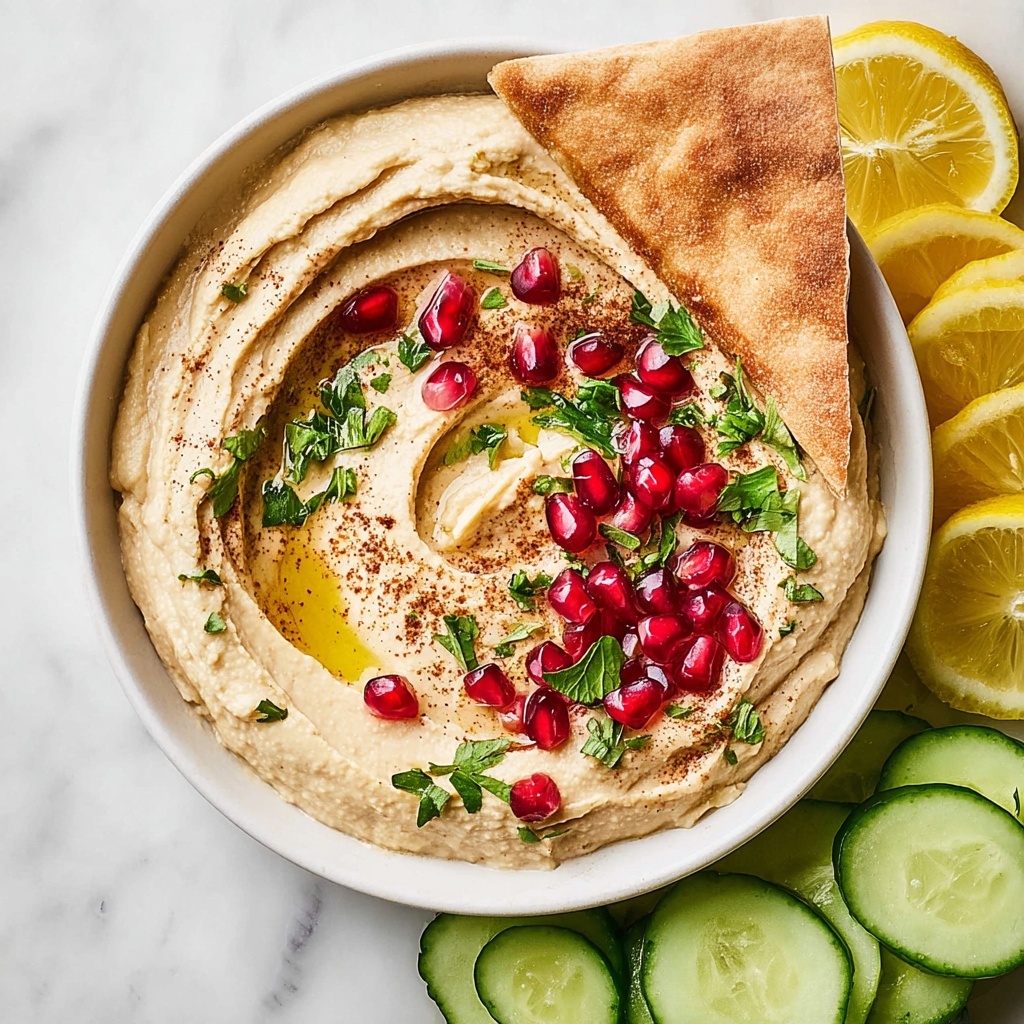
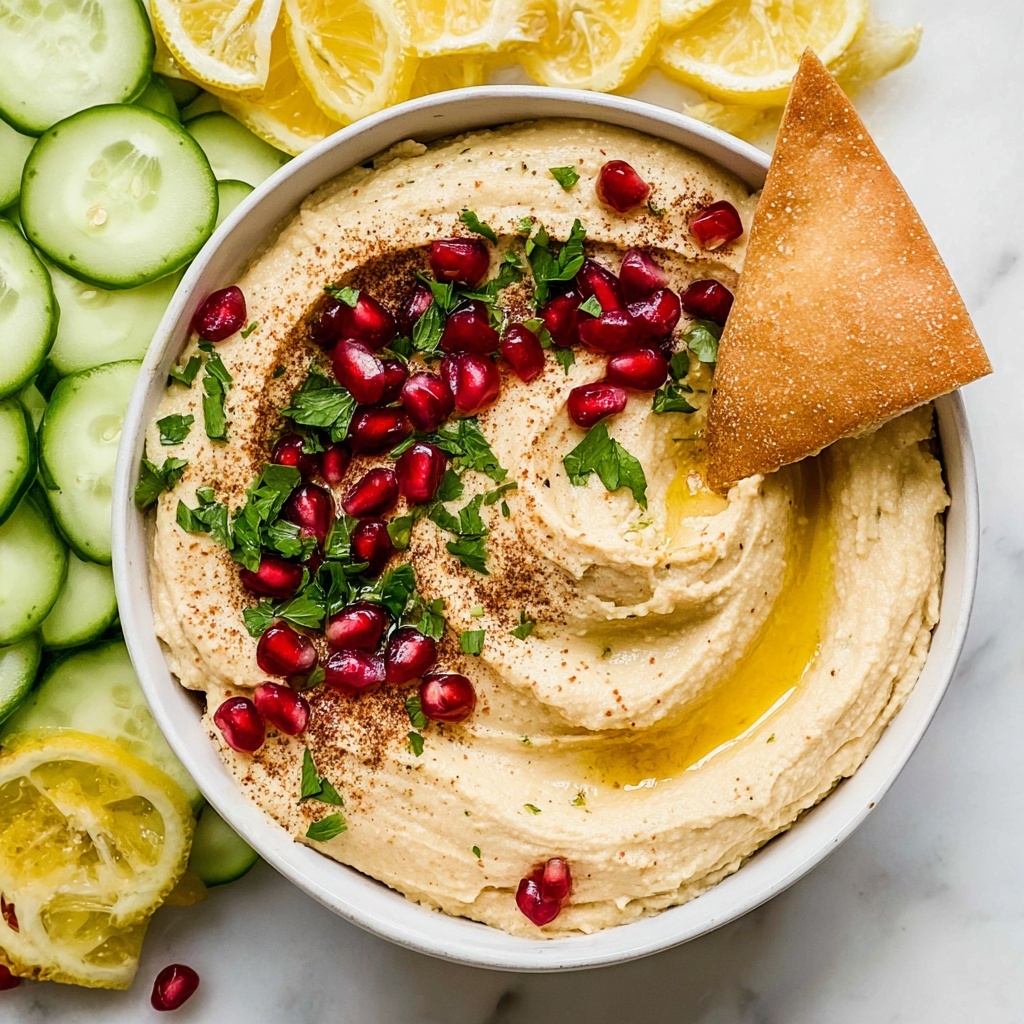
Scoop the hummus into a serving bowl, using the back of a spoon to create little wells or swirls. Drizzle with a generous splash of olive oil, then sprinkle the signature sumac powder on top. This beautiful red dust not only brightens the flavor but adds a stunning visual appeal.
Step 6: Optional Toppings for Extra Flavor
Want to get creative? Sprinkle some chopped fresh herbs like parsley, toasted chickpeas, pomegranate seeds, pine nuts, or even cherry tomatoes. Each topping adds a delightful texture contrast and layers of flavor that elevate this humble dip to a party favorite.
Step 7: Serve and Enjoy
Whether it’s pita bread, crisp crackers, or a colorful array of fresh vegetables, this creamy treat is a crowd-pleaser. The various textures and flavors are perfect for dipping and sharing, making it a must-have on any table.
How to Serve Creamy Homemade Hummus with Sumac and Olive Oil Recipe
Garnishes
A simple drizzle of olive oil and a sprinkle of sumac are essential to highlight the flavors, but don’t stop there. Fresh herbs like parsley or cilantro add a refreshing pop of green, while a scattering of toasted pine nuts or crunchy chickpeas lend a nutty crunch that beautifully complements the smooth hummus.
Side Dishes
This hummus pairs wonderfully with warm pita bread, crispy flatbreads, or vegetable sticks such as cucumbers, bell peppers, and carrots. It can also be part of a larger mezze spread featuring olives, grilled vegetables, and cheeses, turning any meal into a Middle Eastern feast.
Creative Ways to Present
Think beyond the bowl! Serve your hummus layered in a glass jar for picnics or spread it as a creamy base on a flatbread pizza topped with fresh veggies. You can even stuff it into wraps or use it as a flavorful sandwich spread. With this recipe, the possibilities for delicious presentation are endless.
Make Ahead and Storage
Storing Leftovers
Once made, store your creamy hummus in an airtight container and refrigerate. It will keep fresh and flavorful for up to four days, allowing you to enjoy it throughout the week without losing any of its delightful creaminess or zest.
Freezing
Hummus freezes surprisingly well if you want to make a batch ahead. Transfer it to a freezer-safe container and freeze for up to one month. Thaw overnight in the fridge before serving. The texture might be slightly thicker after freezing, so just stir in a touch of water or olive oil to bring back its smoothness.
Reheating
This hummus is best enjoyed cold or at room temperature, so reheating is not necessary. If you prefer a warmer dip, gently warm it in the microwave for short bursts and stir well, but avoid overheating to maintain its fresh, vibrant flavor.
FAQs
Can I use dried chickpeas instead of canned?
Absolutely! Using dried chickpeas can add extra depth of flavor. Just soak them overnight and cook until soft before peeling and blending. This step will take more time but is definitely worth the effort for a richer taste.
What if I don’t have sumac powder? Can I substitute it?
If sumac is unavailable, lemon zest or a dash of mild paprika can add a touch of brightness, but sumac’s unique tang is hard to replicate exactly. It’s worth trying to find sumac to get the authentic flavor that makes this recipe so special.
How can I make the hummus more garlicky?
Simply add an extra clove or two of garlic in step 3, blending it thoroughly with the other ingredients. Roasting the garlic beforehand also mellows the sharpness while delivering a rich, sweet undertone.
Is tahini paste essential in this recipe?
Yes, tahini is essential because it imparts that nutty, creamy richness characteristic of traditional hummus. Skipping it will alter both flavor and texture significantly, so it’s best included for an authentic result.
Can I adjust the thickness of the hummus?
Definitely! Add more water, one tablespoon at a time during blending until you reach your desired consistency. If it gets too thin, a little more tahini or additional chickpeas can help thicken it back up.
Final Thoughts
This Creamy Homemade Hummus with Sumac and Olive Oil Recipe is truly a celebration of simple ingredients elevated to pure deliciousness. Whether you’re entertaining guests or craving a wholesome snack, this hummus brings warmth and flavor to the table with every spoonful. Give it a try—you might just find your new favorite dip to share with everyone you love!
Print
Creamy Homemade Hummus with Sumac and Olive Oil Recipe
- Prep Time: 20 minutes
- Cook Time: 0 minutes
- Total Time: 20 minutes
- Yield: 10 servings
- Category: Appetizer
- Method: Blending
- Cuisine: Middle Eastern
- Diet: Vegan
Description
This Creamy Hummus recipe delivers a smooth and velvety texture by removing chickpea skins and blending them with tahini, lemon juice, garlic, and olive oil. Perfect as a dip or spread, it’s easy to prepare and garnished with sumac for a tangy finish, making it an ideal appetizer or snack served with pita bread, crackers, or fresh vegetables.
Ingredients
Main Ingredients
- 2 cans chickpeas, drained and rinsed
- 1 cup tahini paste
- 1/4 cup freshly squeezed lemon juice
- 4 cloves garlic, crushed
- 1 teaspoon sea salt
- 6 tablespoons water
- 1 tablespoon olive oil
- 1/2 teaspoon sumac powder
Instructions
- Remove Chickpea Skins: Using your hands, gently pop the skins off each chickpea and discard them. This process, although tedious, is essential for making the hummus exceptionally smooth and creamy.
- Pulse Chickpeas: Place the skinned chickpeas into a food processor and pulse until they form a coarse paste.
- Add Flavorings: Add tahini, freshly squeezed lemon juice, crushed garlic, and sea salt to the chickpea paste. Continue blitzing until well combined.
- Blend to Creaminess: Gradually add water one tablespoon at a time while blending continuously. Blend until the mixture reaches a very creamy and smooth texture.
- Assemble and Garnish: Transfer the hummus into a serving bowl and smooth out with a spoon, creating wells on the surface. Drizzle with olive oil and sprinkle sumac powder evenly over the top.
- Add Optional Toppings: Enhance the dish by adding optional toppings such as chopped fresh herbs, toasted chickpeas, pomegranate seeds, toasted pine nuts, or cherry tomatoes.
- Serve: Serve the creamy hummus with warm pita bread, crunchy crackers, or fresh crudités for dipping.
Notes
- Removing chickpea skins ensures a smoother hummus but takes extra time.
- Adjust water quantity to achieve your preferred hummus consistency.
- Sumac adds a tangy, citrusy flavor but can be omitted or replaced with paprika.
- Hummus can be made ahead and stored in an airtight container in the refrigerator for up to 3 days.
- For a nuttier flavor, lightly toast the pine nuts before adding.
- To make it vegan and gluten-free, keep ingredients as listed.