“`html
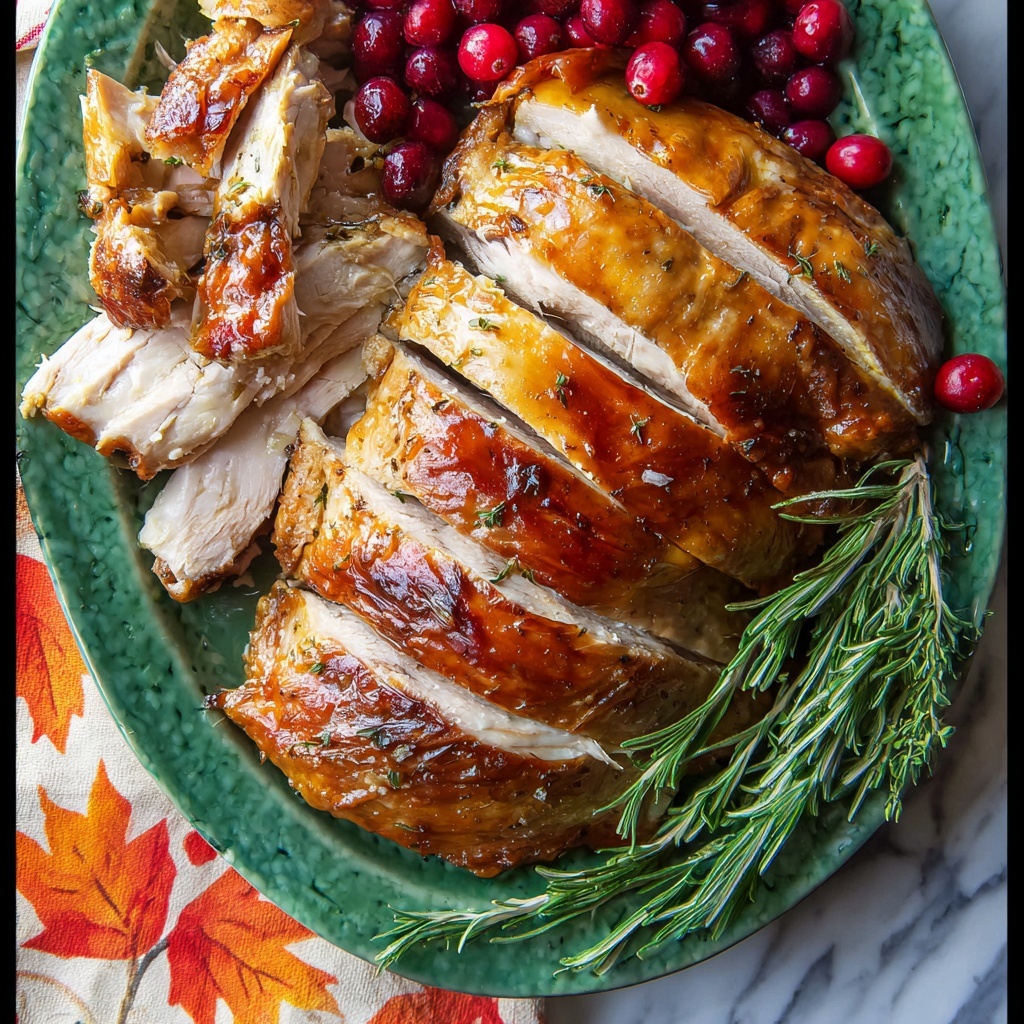
If you’re craving a turkey that’s bursting with flavor and has that irresistibly tender, melt-in-your-mouth texture, you’ve got to try this Herb Butter Turkey Recipe. This method combines a savory herbed butter with a perfectly balanced brine, infusing every bite with fresh rosemary, sage, thyme, and parsley. Whether it’s a holiday feast or a special Sunday dinner, this recipe guarantees a juicy, aromatic centerpiece that will have everyone asking for seconds. I’m excited to walk you through every detail so you can nail it on your very first try!
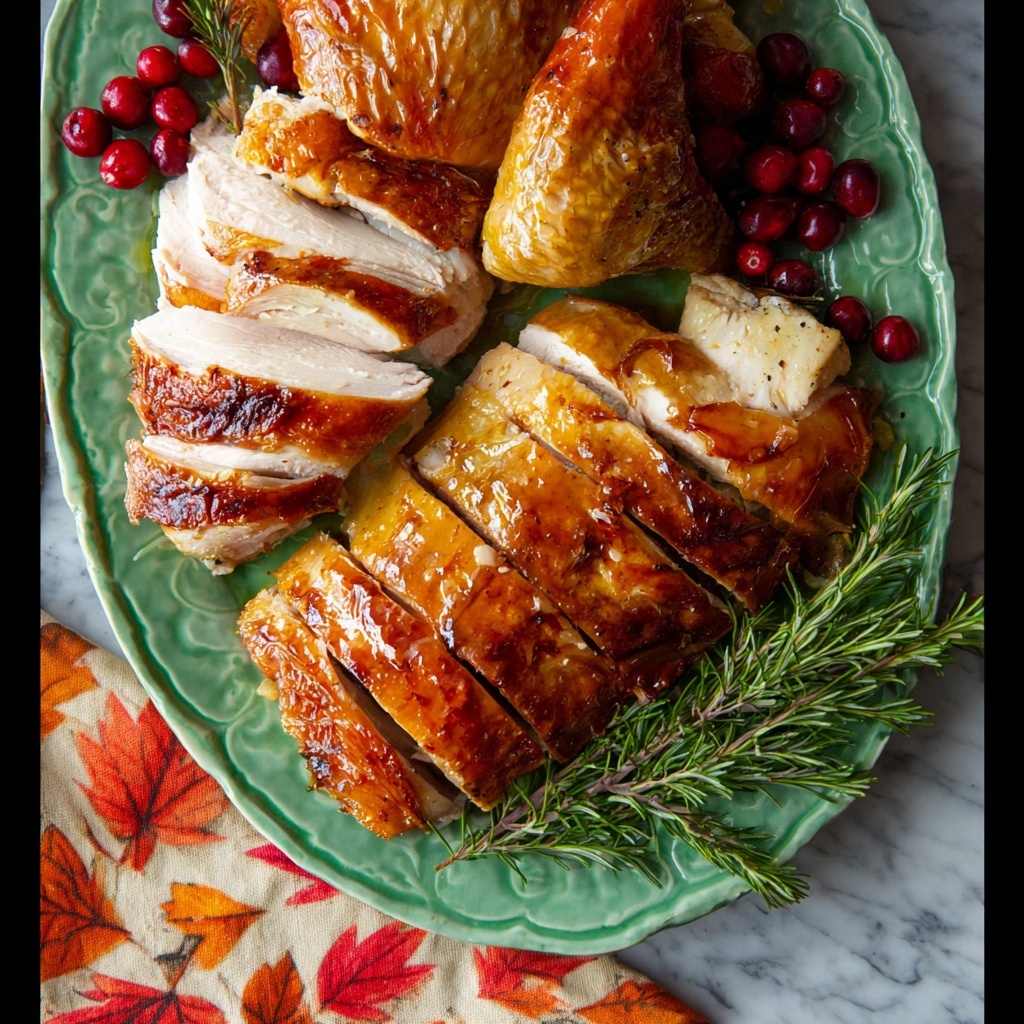
Ingredients You’ll Need
These ingredients are wonderfully straightforward but absolutely essential to building up those classic, homey flavors. Each herb and element plays a special role—from the aromatic brine that tenderizes to the rich butter that locks in moisture and adds a luscious finish.
- Water (1 & 1/2 gallons): The foundation of our brine, ensuring even salt distribution and juicy meat.
- Kosher salt (1 cup): Essential for seasoning and breaking down proteins to tenderize the turkey.
- Brown sugar (1 cup): Balances the saltiness and aids in browning the skin.
- Peppercorns (1 & 1/2 tbsp): Adds subtle spice and a warm depth to the brining liquid.
- Bay leaves (3): Infuse a slight earthiness that complements the herbs perfectly.
- Garlic (3 cloves, mashed and chopped + 2 cloves crushed for butter): Gives that irresistible savory punch throughout.
- Fresh rosemary, parsley, sage, thyme (3 tbsp each, roughly chopped): The herb quartet that shapes the aromatic backbone of the brine and butter.
- Salted butter (1 cup, softened): The secret weapon for basting the bird and creating a crispy, golden skin.
- Large bunch of sage (chopped fine): Mixed into the butter for that signature herb flavor under the skin.
- Salt (1 & 1/2 teaspoons for the butter): To enhance the vibrant herb butter blend.
- Turkey (12-14 pounds, fresh or thawed): The star of the show, ready to soak up all that flavor.
- Carrots (5-7, peeled and roughly chopped): For roasting and adding subtle sweetness in the pan.
- Celery (1 large stalk, roughly chopped): Enhances the aromatic bouquet in the roasting pan.
- Apple (1, quartered): Adds gentle fruity notes into the cavity aromatics.
- Onion (1, quartered): Provides a savory base aroma when roasting.
- Fresh sprigs of thyme, rosemary, sage (2-3 each): Stuff into the cavity to fill the turkey with fresh herbal fragrance.
- Additional essentials: Meat thermometer, large pots for brining and roasting, turkey oven bag, kitchen twine, roasting rack, paper towels.
How to Make Herb Butter Turkey Recipe
Step 1: Preparing the Turkey for Brining
First things first, if your turkey is frozen, thaw it in the fridge for about one day per five pounds of turkey. This step is crucial because a frozen bird won’t properly absorb the brine. Once thawed, unwrap and remove the neck and giblets, rinse the turkey with cold water to ensure it’s clean and ready for its flavorful soak.
Step 2: Cooking and Cooling the Brine
Making the brine is a breeze but give yourself plenty of time to let it cool before using it on the turkey. Combine water, kosher salt, brown sugar, peppercorns, bay leaves, garlic, and all the chopped fresh herbs in a huge pot. Bring this mixture to a boil and stir until the salt and sugar fully dissolve. Then turn off the heat and let it cool completely at room temperature—never place your turkey in warm brine because it will over-salt and lose its moisture.
Step 3: Brining the Turkey
Place your turkey in a large bucket or pot and pour the cooled brine over it, making sure the bird is fully submerged. If it isn’t, add water to top it up—you can also use a sealed turkey oven bag for this step. Refrigerate and brine for 18-24 hours, making sure to flip the turkey about two-thirds through to ensure even seasoning. Patience here pays off big time with juicy, tender meat!
Step 4: Rinsing and Drying the Turkey
After brining, it’s super important to rinse off all the brine under cold water or soak the turkey in a clean, plugged sink for 15 minutes. This removes the excess salt that’s clinging to the skin. Then thoroughly pat the turkey dry with paper towels. The drier the skin, the crispier it will roast, so take your time here.
Step 5: Making the Herb Butter
Now for the magical part! In a medium bowl, combine softened salted butter with finely chopped sage, crushed garlic, and 1 & 1/2 teaspoons salt. Use the side of your knife to mash these ingredients together until they’re well incorporated. This mixture is going to infuse the turkey with deeply aromatic, buttery goodness from within.
Step 6: Applying the Herb Butter
This step requires some gentle force. Carefully separate the skin from the turkey breast meat by inserting your hand and loosening the membrane, aiming to get as close to the neck as possible without tearing the skin. Then, spread nearly half the herb butter under the skin, massaging it deeply into the meat. Rub the rest all over the outside and inside of the turkey—every nook and cranny deserves that herb-packed love.
Step 7: Stuffing and Roasting
Preheat your oven to 350°F. Stuff the turkey cavity with a roughly chopped carrot, celery, apple, onion, and fresh sprigs of thyme, rosemary, and sage. Either retie the legs with kitchen twine or secure any plastic trussing. Place remaining carrots and 2 cups of water in the bottom of a roasting pan, set a rack on top and lay your turkey (tucked wings and all) inside a roasting bag sealed with slits cut for steam release. Roast on the lowest rack for about 2 hours and 15 minutes, checking after that with a meat thermometer until the breast reaches 165°F.
Step 8: Resting and Carving
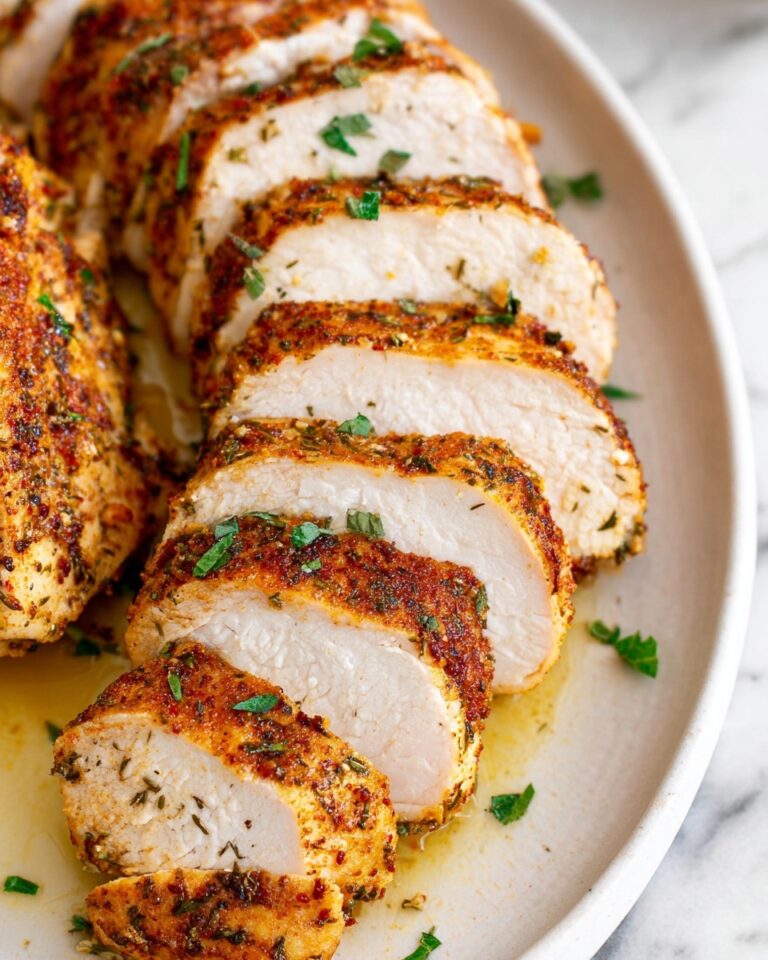
Once done, don’t rush! Leave your turkey sealed in the bag for 15-25 minutes to let the juices redistribute and settle. Then transfer carefully to a cutting board, discard the aromatics, and carve. You’ll be rewarded with slices so tender and packed with herb butter flavor that everyone will be begging for the recipe.
How to Serve Herb Butter Turkey Recipe
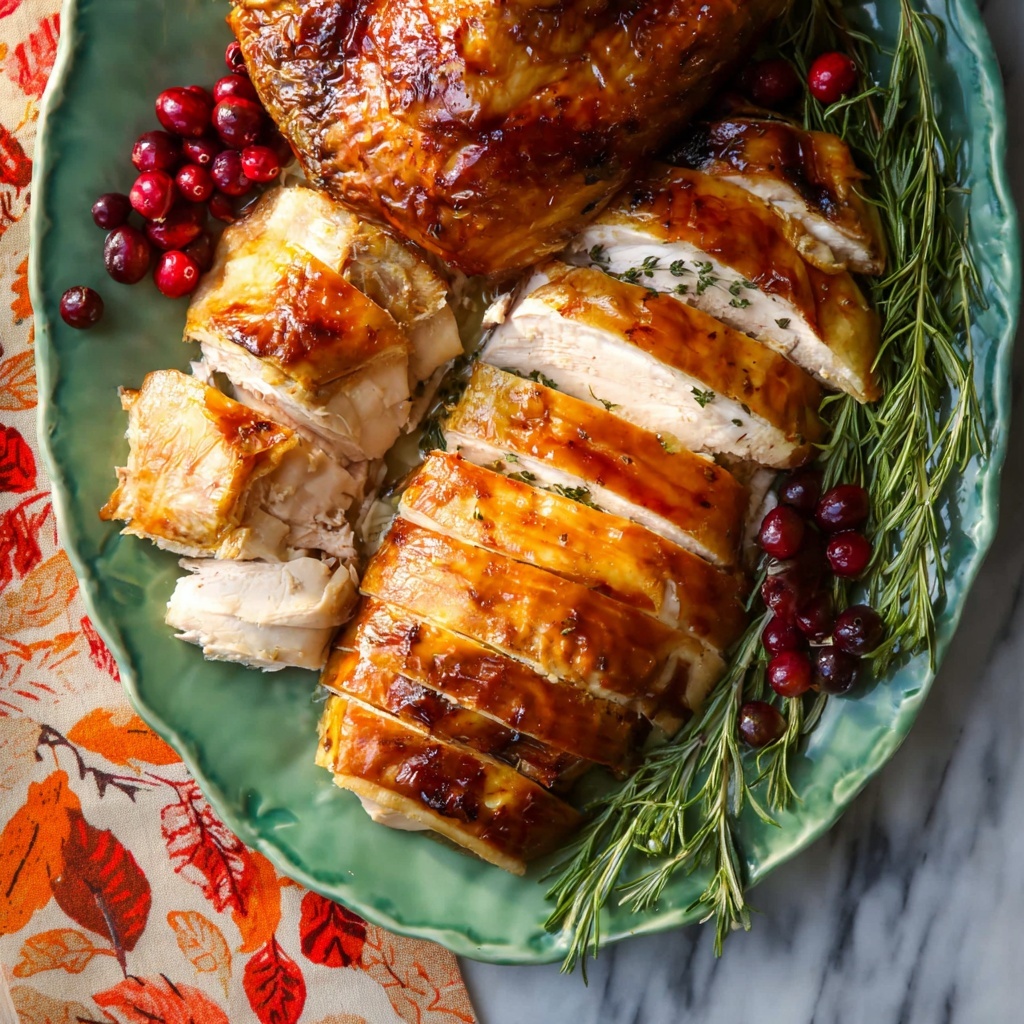
Garnishes
A few sprigs of fresh thyme or rosemary beautifully garnish your carved turkey platter, adding vibrant color and a fresh herbal aroma that invites everyone in for a hearty meal. Brightened citrus zest or a light drizzle of pan juices can also elevate presentation and taste.
Side Dishes
This Herb Butter Turkey Recipe shines best alongside classic sides like creamy mashed potatoes, roasted seasonal vegetables, tangy cranberry sauce, and warm dinner rolls. These crowd-pleasing companions balance the rich, herby turkey perfectly, creating a soul-satisfying feast for any occasion.
Creative Ways to Present
Dress up the serving display with a rustic wooden board, scatter roasted herb sprigs around the turkey, or arrange colorful fall fruits like apples and pomegranate seeds nearby for a festive twist. For a modern touch, serve slices on warm plates with a drizzle of creamy gravy or herb-infused butter for extra indulgence.
Make Ahead and Storage
Storing Leftovers
Once your feast winds down, wrap leftover herb butter turkey tightly in foil or airtight containers and refrigerate promptly. It’ll stay moist and fresh for up to 4 days—perfect for turkey sandwiches, salads, or hearty soups.
Freezing
If you have more turkey than you can use soon, slice and freeze portions in freezer-safe bags. Label and freeze for up to 3 months for future meals that taste just as delicious when reheated.
Reheating
Reheat leftovers gently in a covered baking dish at 325°F to prevent drying out. Adding a splash of broth or gravy keeps the meat juicy and flavorful, making even cold turkey taste freshly cooked again.
FAQs
Can I brine a frozen turkey in the Herb Butter Turkey Recipe?
No, you must fully thaw your turkey before brining. A frozen turkey won’t absorb the brine properly, missing out on the tenderizing and seasoning benefits.
Is it necessary to use fresh herbs for this recipe?
Fresh herbs really make a difference in brightness and aroma, especially for the herb butter. While dried herbs can be used in a pinch, fresh will deliver the best, most vibrant flavor.
How long should I brine the turkey?
Brine your turkey for 18-24 hours. Going beyond that risks a mushy texture and overly salty meat.
What if I don’t have an oven bag?
You can roast the turkey uncovered on a rack in a roasting pan, but the oven bag helps keep moisture locked in and reduces cooking time slightly. Just be sure to baste regularly if roasting openly.
Can I use unsalted butter instead of salted for the herb butter?
Yes, but remember to increase the salt slightly to maintain proper seasoning. The 1 & 1/2 teaspoons of salt in the butter recipe assumes salted butter is used.
Final Thoughts
This Herb Butter Turkey Recipe is truly one of those recipes you’ll want to keep returning to for special meals with family and friends. The combination of herbal freshness, juicy brined meat, and rich butter creates a turkey experience that’s both comforting and impressive. Give it a try—you’ll soon see why this method has become a trusted favorite in kitchens everywhere.
“`
Print
Herb Butter Turkey Recipe
- Prep Time: 30 minutes
- Cook Time: 2 hours 15 minutes
- Total Time: 2 hours 45 minutes plus 18-24 hours brining
- Yield: 10 servings
- Category: Main Course
- Method: Baking
- Cuisine: American
Description
A flavorful and juicy Herb Butter Turkey recipe featuring a brining process to enhance tenderness and seasoning, followed by roasting in an oven bag with fresh herbs and aromatics for vibrant, succulent results perfect for a holiday or special occasion feast.
Ingredients
Brine Ingredients
- 1 & 1/2 gallons water (24 cups)
- 1 cup kosher salt
- 1 cup brown sugar
- 1 & 1/2 tablespoons peppercorns
- 3 bay leaves
- 3 cloves garlic (mashed and roughly chopped)
Herbs for Brining
- 3 tablespoons rosemary (fresh, roughly chopped)
- 3 tablespoons parsley (fresh, roughly chopped)
- 3 tablespoons sage (fresh, roughly chopped)
- 3 tablespoons thyme (fresh, roughly chopped)
Sage Butter
- 1 cup salted butter (softened to room temperature; about 2 sticks)
- 1 large bunch of sage (chopped fine)
- 2 cloves garlic (crushed and minced)
- 1 & 1/2 teaspoons salt
Turkey and Aromatics
- 12–14 pound turkey (fresh or frozen and thawed)
- 5–7 carrots (peeled and roughly chopped)
- 1 large stalk celery (roughly chopped)
- 1 apple (quartered)
- 1 onion (quartered)
- 2–3 sprigs thyme
- 2–3 sprigs rosemary
- 2–3 sprigs sage
Equipment
- 1 meat thermometer
- 1 huge pot to boil the brine
- 1 huge pot or bucket to brine the turkey in
- Paper towels
- Turkey oven bag
- Large roasting pan with roasting rack
- Kitchen twine (if your turkey is not trussed)
Instructions
- Thaw the Turkey – If using a frozen turkey, thaw it in the refrigerator for several days, allowing one day of thawing per 5 pounds of turkey. Do not brine a frozen turkey as it won’t absorb the brine properly.
- Prepare the Brine – Several hours or the day before brining, combine water, kosher salt, brown sugar, peppercorns, bay leaves, garlic, and fresh herbs (rosemary, parsley, sage, thyme) in a very large pot. Bring to a boil over high heat, cooking 3-5 minutes until sugar and salt dissolve. Turn off heat and let the brine cool completely to room temperature, refrigerate if not using immediately.
- Clean the Turkey – Unwrap the turkey, remove the neck and giblets, and rinse the turkey inside and out with cold water in a clean sink.
- Brine the Turkey – Place the turkey in a large pot, bucket, or sealed turkey oven bag and cover fully with the cooled brine. If not fully covered, add more water to cover. Refrigerate and brine for 18-24 hours, flipping the turkey about two-thirds through the brining time to ensure even absorption.
- Rinse and Dry the Turkey – Remove the turkey from the brine, discard the brine, and rinse thoroughly with cold water or soak for 15 minutes. Pat the turkey dry with paper towels and clean the sink with bleach afterward.
- Make Sage Butter – In a medium bowl, combine softened butter, finely chopped sage, minced garlic, and salt. Use the side of a chef’s knife to smash and mix ingredients until well incorporated.
- Apply Sage Butter – Carefully separate the turkey breast skin from the meat without tearing. Rub about half the sage butter mixture under the skin evenly. Use the rest of the butter to coat the outside and inside surfaces of the turkey, including back, wings, and legs.
- Preheat Oven to 350°F – Prepare the oven to the correct temperature for roasting the turkey.
- Stuff the Turkey with Aromatics – Stuff the cavity with 1 chopped carrot, celery, apple, onion, and sprigs of thyme, rosemary, and sage. If turkey legs are trussed with plastic, remove and then re-tie with kitchen twine after stuffing.
- Prepare Roasting Pan – Place remaining chopped carrots and 2 cups of water in the bottom of the roasting pan under the roasting rack.
- Tuck Wings – Tuck the turkey wings under its back to keep a compact shape.
- Place Turkey in Oven Bag – Get assistance to hold open the turkey oven bag and place the prepared turkey inside. Seal the bag tightly and cut a few small slits in the top to allow steam to escape.
- Roast the Turkey – Place the oven bag with turkey on the rack in the roasting pan. Put on the lowest oven rack and roast for about 2 hours and 15 minutes, then check the internal temperature every 5 minutes until it reaches 165°F in the breast.
- Rest the Turkey – Remove the turkey from the oven and let it rest inside the closed bag for 15-25 minutes to redistribute juices.
- Carve and Serve – Cut open the bag carefully, transfer the turkey to a cutting board using oven mitts, discard aromatics, carve the turkey using your preferred method.
- Use the Carcass – Save the turkey carcass to make homemade turkey stock and further recipes like Creamy Turkey Rice Soup.
Notes
- Do not brine a frozen turkey; it must be fully thawed to absorb the brine effectively.
- Ensure the brine is completely cooled before submerging the turkey to avoid overcooking or excessive salt absorption.
- Flip the turkey during brining to ensure even seasoning.
- Patting the turkey dry thoroughly is crucial for the butter to adhere and to achieve crispy skin.
- Handle the skin carefully when inserting butter to avoid tearing.
- Use a meat thermometer to avoid under or overcooking; turkey breast must reach 165°F.
- Resting the turkey after roasting helps retain moisture and improves flavor.
- The aromatics inside the cavity are for flavor only and not intended to be eaten.
- Save the turkey neck and giblets to enrich gravy or stock.