If you’re on the hunt for a flaky, tender, and absolutely foolproof crust to elevate your quiche game, look no further than this Homemade Shortcrust Pastry for Perfect Quiche Recipe. It’s a simple blend of flour, butter, and water that transforms into a buttery, golden base that cradles your favorite fillings like a dream. Whether you’re making a classic Quiche Lorraine or getting creative with veggies and cheeses, this crust is the foundation that makes all the difference. Trust me, once you try this recipe, you won’t want to use store-bought crust again!
Ingredients You’ll Need
These ingredients are straightforward but absolutely essential to crafting a shortcrust pastry that’s crisp, flaky, and full of buttery goodness. Each component plays a special role: flour for structure, butter for richness and flakiness, salt for depth of flavor, and ice-cold water to bring it all together without melting the butter prematurely.
- 1 1/4 cups (185g / 5.6 oz) plain white flour: The backbone of your crust, perfect for that light, tender texture.
- 1/2 tsp salt: Enhances the flavor and balances the richness of the butter.
- 100g / 7 tbsp unsalted butter, cold, cut into 1cm cubes: The star ingredient that gives the pastry its delectable flakiness and buttery taste.
- 3 tbsp ice cold water (+ more if needed): Just enough to bind the dough without warming the butter, keeping the crust crisp.
How to Make Homemade Shortcrust Pastry for Perfect Quiche Recipe
Step 1: Combine Dry Ingredients and Butter
Start by placing the flour, salt, and those chilly cubes of butter into a food processor. The cold butter is crucial here — it will create the beautiful layers and flaky texture we love in a quiche crust. Pulse about 10 times until you see a bread-crumb like texture; these little bits of butter are what makes the crust tender and crumbly.
Step 2: Add Ice-Cold Water Carefully
While the processor is running on low, drizzle in 2.5 tablespoons of the ice-cold water slowly through the feed tube. This hydrates the flour and brings the dough together. You want it to bind into a ball within about 30 seconds. If your dough looks dry at 20 seconds, add another half tablespoon of water, but be careful not to overwork it — too much mixing, and your crust will lose its tender flakiness.
Step 3: Chill and Rest the Dough
Turn the dough out and quickly form it into a disc. Wrap it tightly with cling wrap, pressing in any stray crumbs—you don’t want to waste a single bit of that buttery goodness! Refrigerate for at least one hour and up to three. This rest period lets the gluten relax and the butter chill, which is the secret to rolling out a crust that doesn’t shrink or break.
Step 4: Roll Out the Pastry
Lightly flour your work surface and gently unwrap your chilled dough. Sprinkle a little flour on top and roll it out evenly into about an 11-inch round—perfect to fit a 9-inch quiche pan. The dough should feel supple but firm, and rolling it around the rolling pin can help you transfer it seamlessly into your dish.
Step 5: Line the Pan and Prepare for Blind Baking
Carefully unroll the pastry over your quiche or pie dish and press it gently into the edges. Don’t worry if it doesn’t quite reach the rim in spots—just patch with little bits of extra dough. Trim the edges by rolling your pin over the top, then pop the crust back in the fridge for about 15 minutes if you want to be extra sure it holds its shape during baking.
Step 6: Blind Bake the Crust
Place a large sheet of parchment paper over the crust and fill with baking beads, rice, or dried beans to weigh it down. Bake at 200C/390F for 20 minutes until the edges are set. Remove the weights carefully, then bake for an additional 10 minutes at a lower temperature (180C/350F) until the base is a lovely light golden color. This step ensures your crust stays crisp and never soggy once you add your luscious filling.
Step 7: Fill and Bake Your Quiche
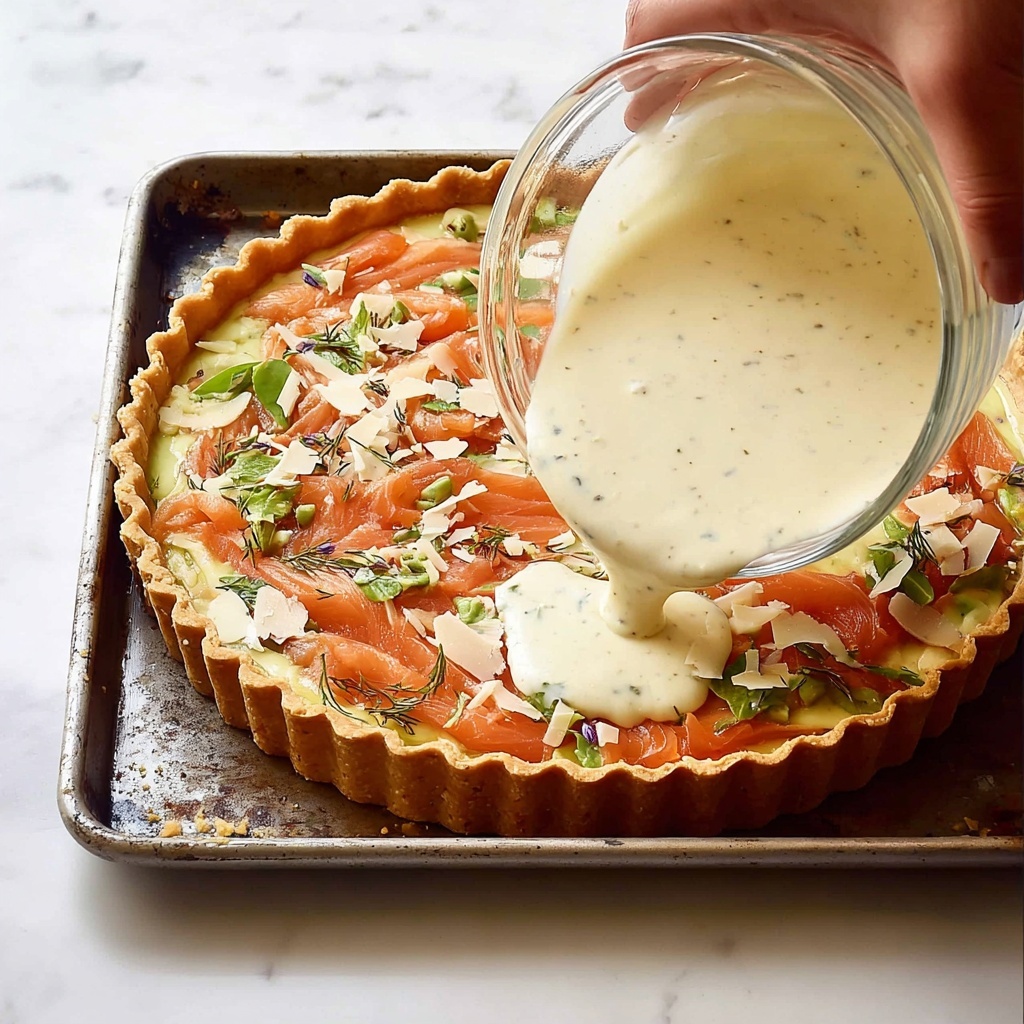
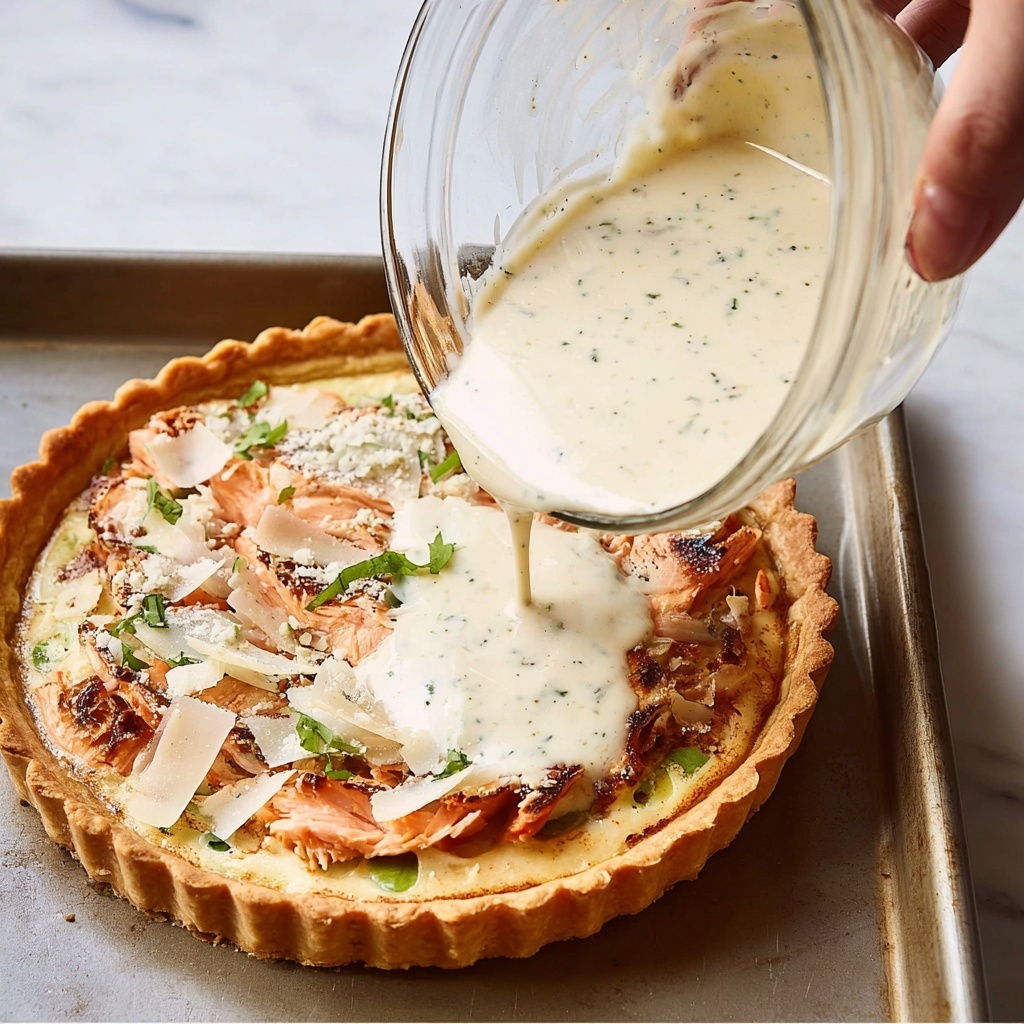
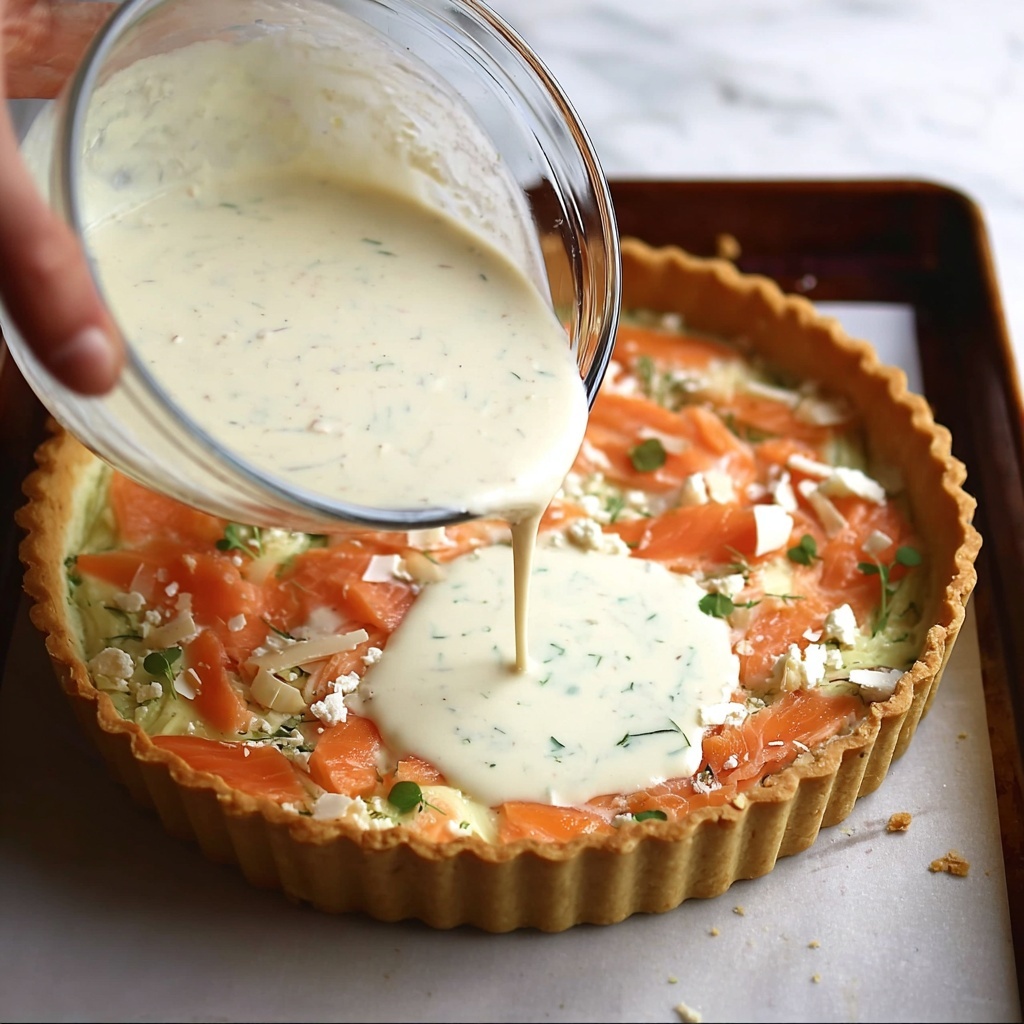
With your perfectly baked homemade shortcrust pastry ready, fill it with your choice of quiche filling, whether that’s traditional Quiche Lorraine, fresh salmon, Italian sausage, or seasonal veggies. The pastry won’t be fully cooked yet, but it will finish baking beautifully with your filling, delivering a crust that’s tender on the inside with just the right crunch on the outside.
How to Serve Homemade Shortcrust Pastry for Perfect Quiche Recipe
Garnishes
A beautifully baked quiche deserves a touch of fresh garnishes! A sprinkle of chopped fresh herbs like parsley, chives, or tarragon can brighten the dish and add a lovely pop of green. Thin slices of radish or a light drizzle of good-quality olive oil can also elevate presentation and flavor.
Side Dishes
A classic quiche pairs wonderfully with crisp, fresh salads—think mixed greens with a tangy vinaigrette or a colorful tomato and cucumber salad. Roasted or steamed seasonal vegetables also make great companions, as does a rustic crusty bread to mop up every last bite.
Creative Ways to Present
For a fun twist, try making mini quiches in a muffin tin using the same Homemade Shortcrust Pastry for Perfect Quiche Recipe. They’re perfect for brunch parties or packed lunches. Another elegant idea is to serve your quiche in individual tart pans, giving each serving its own beautiful fluted edge.
Make Ahead and Storage
Storing Leftovers
If you have any quiche left over, store it in an airtight container in the fridge for up to 3 days. The crust holds up well, maintaining its texture and flavor. Just make sure to cover it so it doesn’t absorb any fridge odors.
Freezing
Both the dough and the baked quiche freeze beautifully. Wrap the pastry dough disc tightly and freeze for up to 3 months, thawing overnight before rolling out. Cooked quiche slices can be frozen individually—wrap them well and pop them in the freezer for up to 2 months for easy future meals.
Reheating
To reheat leftover quiche, the oven is your best friend. Warm slices at 170C/340F until heated through and the crust regains its crispness, about 15-20 minutes. Avoid the microwave if you want to keep that lovely texture intact.
FAQs
Can I make the pastry without a food processor?
Absolutely! Use your fingers or a pastry cutter to rub the cold butter into the flour until it resembles coarse breadcrumbs. Then gradually add the cold water and bring it together by hand. The texture will be just as delicious.
Why is the water ice cold?
Using ice-cold water keeps the butter from melting during mixing, which is essential for a flaky texture. Warm water could soften the butter too early, resulting in a tougher crust.
Can I use salted butter instead of unsalted?
You can, but reduce or omit the added salt in the recipe to avoid an overly salty crust. I find unsalted butter gives you more control over seasoning.
Why blind bake the crust?
Blind baking sets the crust before adding moist filling, preventing sogginess. It ensures your pastry stays crisp and forms a sturdy base for the quiche.
How thin should I roll out the dough?
About 3 mm (around 1/8 inch) thick is ideal. Too thick, and the crust can feel doughy; too thin, and it might tear or be too fragile to hold the filling.
Final Thoughts
I hope you’re as excited as I am to try this Homemade Shortcrust Pastry for Perfect Quiche Recipe. It’s a classic foundation that’s impressively simple yet makes a world of difference in your quiche’s flavor and texture. Once you master this crust, the door opens to endless quiche possibilities that will wow your family and friends every time. Happy baking!
Print
Homemade Shortcrust Pastry for Perfect Quiche Recipe
- Prep Time: 15 minutes
- Cook Time: 35 minutes
- Total Time: 50 minutes
- Yield: 8 servings (one 23cm/9 inch quiche crust)
- Category: Baking
- Method: Baking
- Cuisine: French
Description
A classic shortcrust pastry recipe perfect for making quiche crusts and pie bases. This recipe guides you through creating a buttery, flaky pastry using a food processor, followed by blind baking to ensure a crisp base that prevents sogginess when filled.
Ingredients
Dry Ingredients
- 1 1/4 cups (185g / 5.6 oz) plain white flour (all purpose flour)
- 1/2 tsp salt
Wet Ingredients
- 100g / 7 tbsp unsalted butter, cold, cut into 1cm / 1/3″ cubes
- 3 tbsp ice cold water (plus more as required)
Instructions
- Prepare Dry and Fat Ingredients: Place flour, salt, and cold cubed unsalted butter into a food processor.
- Pulse to Breadcrumbs: Pulse the mixture about 10 times or until it resembles fine breadcrumbs with chunks of butter still visible.
- Add Water Gradually: With the motor running on low speed, pour 2.5 tbsp of ice cold water into the feed tube of the processor.
- Combine Into Dough: Increase the processor speed to high and blitz for up to 30 seconds. The mixture will transform from breadcrumbs into a soft dough ball; if it does not, add an additional 1/2 tbsp water slowly. Avoid processing longer than 30 seconds.
- Form Dough Disc and Chill: Turn the dough out, press escaped crumbs into a disc shape, wrap tightly in cling film, and refrigerate for 1 to 3 hours to firm up.
- Preheat Oven: Heat your oven to 200°C/390°F (standard) or 180°C/350°F (fan forced).
- Roll Out Dough: Lightly flour your work surface and rolling pin. Unwrap the dough and place it on the surface. Sprinkle some flour on top, then roll out into a 27cm (11 inch) circle.
- Transfer Pastry to Pan: Roll the pastry loosely around the rolling pin and unroll it carefully over a 23cm (9 inch) quiche or pie dish.
- Fit the Pastry: Press the pastry gently into the edges of the pan and patch any gaps or thin areas. If the dough doesn’t reach to the rim, patch as needed.
- Trim Excess: Roll the rolling pin across the top edge of the pie dish to cut away the excess pastry for a clean edge.
- Optional Chill Again: For a firmer crust and to prevent shrinkage, refrigerate the lined pan for 15 minutes before baking.
- Blind Bake Setup: Cover the pastry with a large piece of parchment paper, then fill with baking beads, rice, or dried beans to weigh down the crust.
- First Bake: Bake the crust in the preheated oven for 20 minutes to set the base and edges.
- Lower Oven Temperature: Remove the pan, then reduce the oven heat to 180°C/350°F (160°C/320°F fan forced).
- Remove Weights and Continue Baking: Carefully lift out the parchment paper with baking weights and return the crust to the oven for an additional 10 minutes or until the base is a light golden color.
- Ready for Filling: Remove the crust from the oven. It is now partially cooked to prevent sogginess and ready for your favorite quiche filling such as Quiche Lorraine, Salmon, or Italian Sausage.
- Finish Baking With Filling: The dough will finish cooking along with the filling in your quiche recipe.
Notes
- Cold butter is essential for flaky texture in pastry.
- Refrigerating the dough after rolling can help prevent shrinkage during baking.
- Blind baking with weights ensures the crust holds its shape and prevents bubbling.
- If you do not have baking beads, rice or dried beans are excellent alternatives for weights.
- This pastry recipe is versatile and can be used for both sweet and savory pies with minor ingredient adjustments.