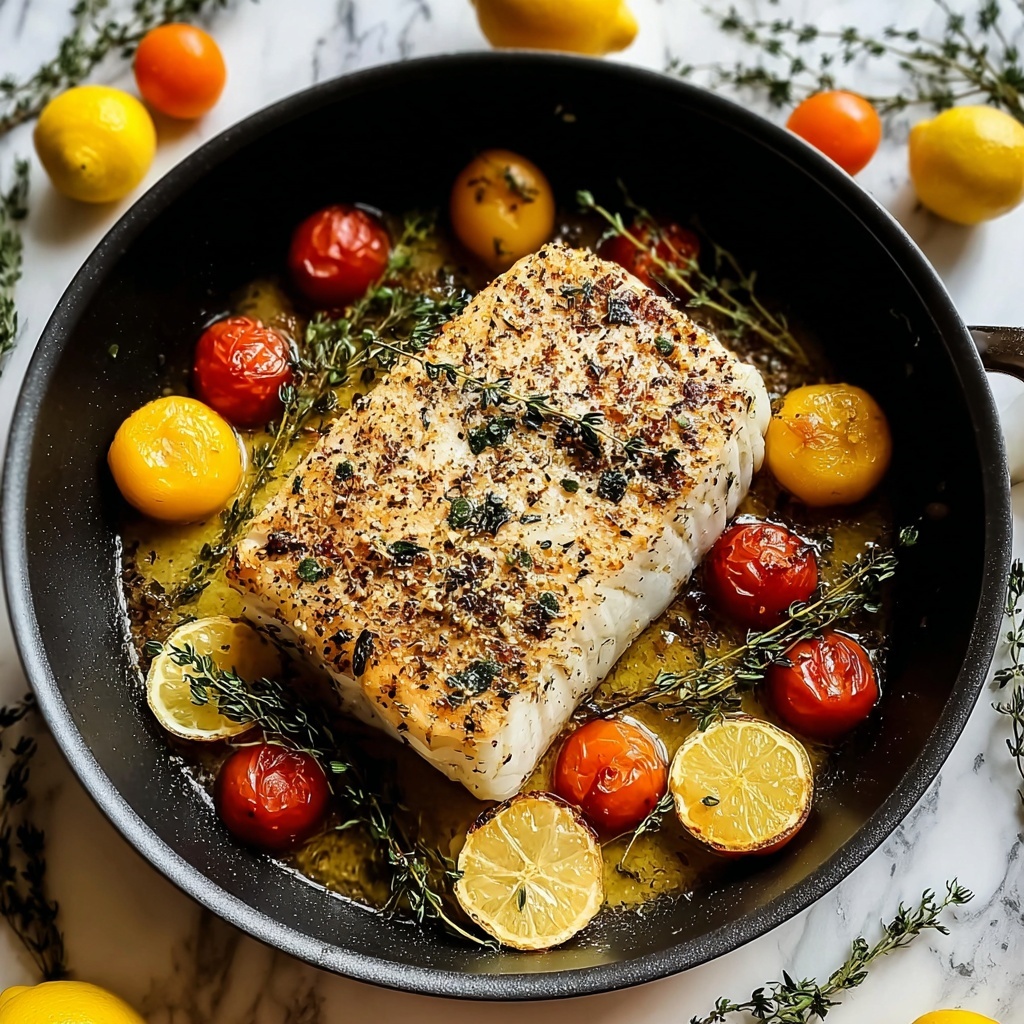
If you’re searching for a dish that feels both elegant and effortlessly simple, this Lemon and Thyme Roasted Sea Bass Recipe is an absolute treasure. The combination of fresh, zesty lemons and fragrant thyme brings the delicate sea bass to life, creating a mouthwatering meal that is as comforting as it is impressive. With only a handful of essential ingredients, each adding its unique touch—from the buttery richness to the bright citrus zing—this recipe will quickly become a favorite in your kitchen for weeknight dinners or special occasions alike.
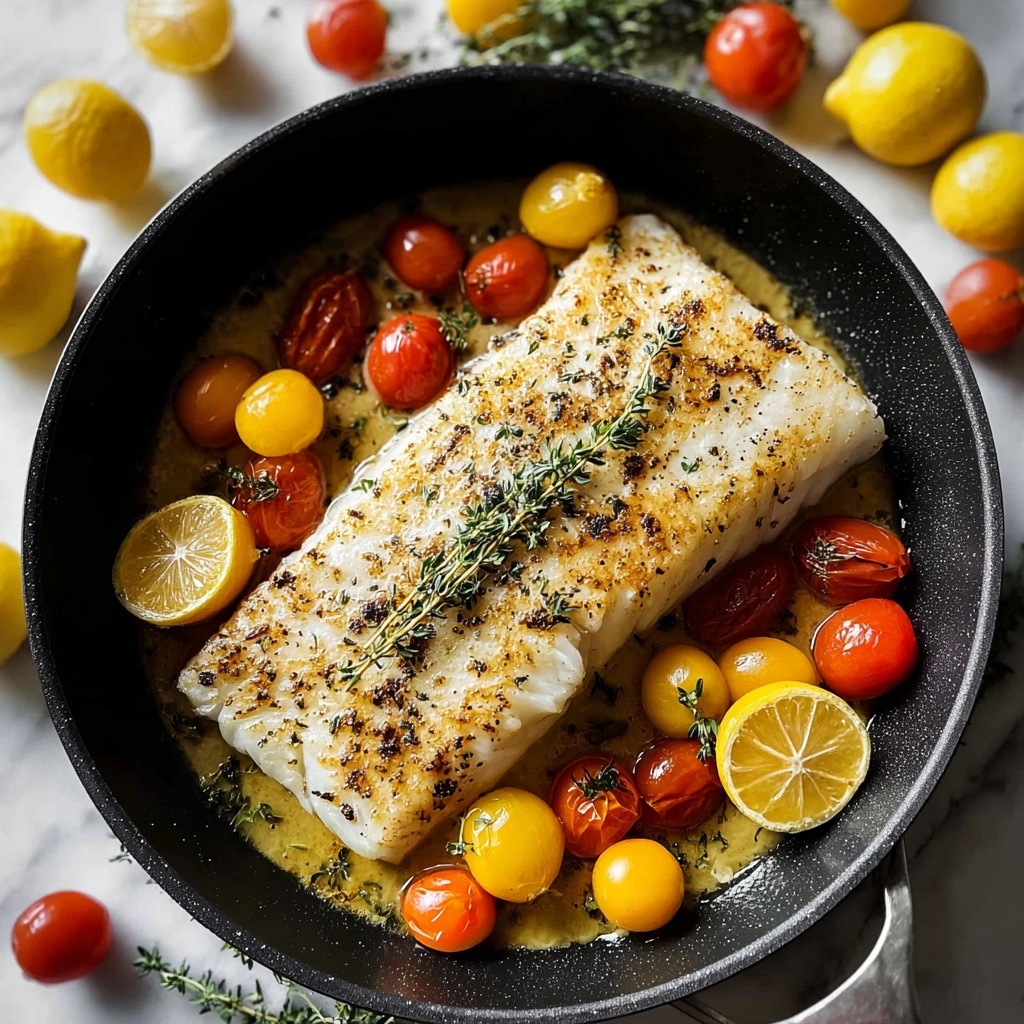
Ingredients You’ll Need
These ingredients are straightforward yet crucial. Each one plays an important role in building the fresh flavors and perfect texture that make this dish so irresistible.
- 4 sea bass fillets: Choose fresh fillets about 6 ounces each for the best flavor and tenderness.
- 2 lemons, thinly sliced: The lemons infuse the fish with brightness and a subtle tangy aroma.
- 6 sprigs of fresh thyme: Thyme adds woody, herbal notes that complement the sea bass beautifully.
- 3 cloves of garlic, minced: Garlic brings a savory depth and richness when combined with olive oil.
- 1/4 cup olive oil: A good quality olive oil helps keep the fish moist and enhances its natural flavors.
- Salt and freshly ground black pepper: Essential seasonings that elevate every bite without overpowering.
- 1/4 cup white wine (optional): Adds an elegant acidity that balances the buttery and citrus components.
- 1 tablespoon butter: Melts over the fish to add a luscious, silky texture and extra richness.
- Fresh thyme leaves, for garnish: A sprinkle of herbs on top to brighten and finish off your plate beautifully.
How to Make Lemon and Thyme Roasted Sea Bass Recipe
Step 1: Prepare Your Oven and Fish
First things first, preheat your oven to 400°F (200°C). This temperature is perfect for roasting the sea bass evenly, allowing the skin to crisp slightly and the flesh to become tender and flaky. While the oven heats, rinse each fillet under cold water and gently pat them dry with paper towels. Dry fish helps achieve that ideal roast without steaming.
Step 2: Create the Garlic Olive Oil Mixture
In a small bowl, mix the minced garlic with the olive oil. This simple combination will coat the fish, infusing it with subtle garlic flavor that pairs wonderfully with the herbs and lemon. Make sure the garlic is finely minced so that its flavor disperses evenly without becoming overpowering.
Step 3: Season and Arrange the Sea Bass
Lay the fillets skin-side down on a parchment-lined baking sheet to prevent sticking and ensure easy cleanup. Lightly season each fillet with salt and freshly ground black pepper. Then, brush the garlic and olive oil mixture over the top of each piece, making sure every inch is coated. This step is key to locking in moisture and flavor during roasting.
Step 4: Add Lemons and Thyme
Place thin slices of lemon directly on top of the fish. These slices release aromatic oils and juices as the fish cooks, making every bite bursting with fresh citrus notes. Nestle the sprigs of thyme alongside and on top of the fillets to infuse a fragrant herbal aroma throughout the cooking process.
Step 5: Pour Wine and Dot Butter
If using white wine, pour it gently over the fillets to introduce a refined acidity that perfectly balances the richness of the butter and olive oil. Dot each fillet with small pieces of butter to melt over during roasting, adding silkiness and depth to this vibrant dish.
Step 6: Roast to Perfection
Place the baking sheet in the oven and roast for 15 to 18 minutes. You’ll know the fish is done when it turns opaque and flakes easily with a fork. The lemon and thyme will have melded into the fish and butter, creating an irresistible aroma that will fill your kitchen.
Step 7: Rest and Garnish
Once out of the oven, let the sea bass rest for a few minutes. This helps the juices settle so every bite is juicy and tender. Finish by sprinkling fresh thyme leaves on top for a pop of color and fresh herbal flavor that complements the rich, roasted fish.
How to Serve Lemon and Thyme Roasted Sea Bass Recipe
Garnishes
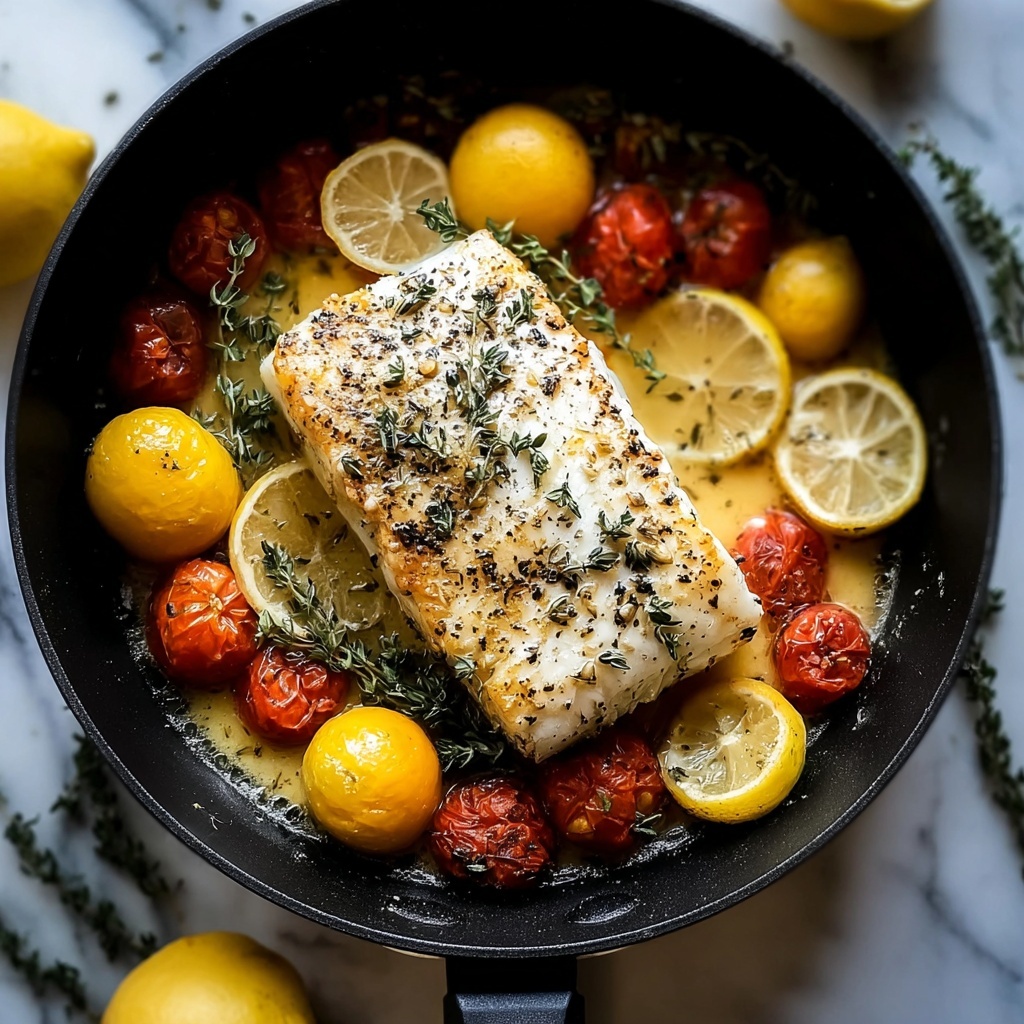
Simple garnishes elevate this elegant dish beautifully. Consider adding a few extra lemon zest curls or a sprinkle of finely chopped fresh parsley for freshness and a burst of color. The lemon and thyme leaves used as garnish not only look inviting but add a final aromatic touch that tempts your senses before the first bite.
Side Dishes
Lemon and Thyme Roasted Sea Bass Recipe is wonderfully versatile when it comes to sides. It pairs superbly with light, crisp vegetables such as roasted asparagus or sautéed green beans. For a heartier meal, serve alongside buttery mashed potatoes or a fragrant herb rice pilaf. A crisp salad with a citrus vinaigrette will also balance the dish perfectly.
Creative Ways to Present
If you’re hosting guests or want to impress, serve the roasted sea bass on a beautiful rustic wooden board or individual ceramic plates with lemon slices and thyme sprigs artfully arranged. Drizzle any pan juices over the top for a gorgeous, glossy finish. For a modern twist, place the fish atop a bed of lemon-infused quinoa or alongside colorful vegetable ribbons.
Make Ahead and Storage
Storing Leftovers
If you happen to have any leftovers from your Lemon and Thyme Roasted Sea Bass Recipe, store them in an airtight container in the refrigerator. They will stay fresh for up to two days, making it easy to enjoy a quick, flavorful meal the next day.
Freezing
While fresh sea bass is best enjoyed right after cooking, you can freeze leftovers by wrapping them tightly in plastic wrap and placing them in a freezer-safe container. Use within one month for best quality. Keep in mind that the texture may slightly change after freezing and thawing.
Reheating
To reheat leftovers without drying out the fish, warm gently in a low oven around 275°F (135°C) for about 10 minutes, or until heated through. Alternatively, you can reheat in a microwave on low power in short bursts, covered with a damp paper towel to retain moisture.
FAQs
Can I use frozen sea bass fillets for this recipe?
Yes, you can use frozen sea bass fillets, but be sure to thaw them fully and pat dry before cooking to avoid excess moisture. This helps achieve that perfect roast and crispy edges.
Is white wine necessary in this Lemon and Thyme Roasted Sea Bass Recipe?
White wine is optional, but it adds a lovely acidity and complexity. If you prefer not to use alcohol, simply omit it or substitute with a splash of vegetable broth or lemon juice for brightness.
Can I substitute other herbs for thyme?
Thyme’s subtle earthiness pairs perfectly with sea bass, but you can experiment with rosemary or tarragon for a different flavor profile. Just use fresh herbs to keep the dish light and aromatic.
How do I know when the sea bass is cooked properly?
The fish is done when it becomes opaque all the way through and flakes easily with a fork. Overcooking can make it dry, so watch carefully especially if your fillets are on the thinner side.
Can this recipe be doubled for a larger group?
Absolutely! Simply increase the quantities proportionally and use a larger baking sheet or multiple trays to ensure even cooking. Just keep an eye on the cooking time as it may vary slightly depending on your oven.
Final Thoughts
This Lemon and Thyme Roasted Sea Bass Recipe is a shining example of how simple ingredients can come together to create something truly special. Its bright, fresh flavors combined with buttery richness make every bite a delight, perfect for sharing with family or impressive enough for company. I can’t encourage you enough to give this recipe a try in your kitchen—you’ll love how approachable yet elegant this seafood dish turns out!
Print
Lemon and Thyme Roasted Sea Bass Recipe
- Prep Time: 0h 15m
- Cook Time: 0h 18m
- Total Time: 0h 33m
- Yield: 4 servings
- Category: Main Dish
- Method: Baking
- Cuisine: Mediterranean
- Diet: Low Fat
Description
This Lemon and Thyme Roasted Sea Bass recipe features delicate sea bass fillets roasted to perfection with fresh thyme, garlic, lemon slices, and a hint of white wine, creating a light and flavorful dish perfect for a healthy dinner.
Ingredients
Sea Bass Fillets
- 4 sea bass fillets, about 6 ounces each
Seasoning and Aromatics
- 2 lemons, thinly sliced
- 6 sprigs of fresh thyme
- 3 cloves of garlic, minced
- 1/4 cup olive oil
- Salt and freshly ground black pepper, to taste
- 1/4 cup white wine (optional)
- 1 tablespoon butter
- Fresh thyme leaves, for garnish
Instructions
- Preheat the Oven: Preheat your oven to 400°F (200°C) to ensure it is hot enough for roasting the sea bass evenly.
- Prepare the Sea Bass: Rinse the sea bass fillets under cold water to clean them, then pat dry thoroughly using paper towels to remove excess moisture.
- Make Garlic Olive Oil Mixture: In a small bowl, combine the minced garlic with the olive oil to infuse the oil with garlic flavor.
- Arrange Fillets: Place the sea bass fillets skin-side down on a parchment-lined baking sheet to prevent sticking and facilitate easy cleanup.
- Season and Brush Fillets: Season each fillet with salt and freshly ground black pepper, then brush generously with the garlic olive oil mixture for enhanced flavor.
- Top with Lemon and Thyme: Lay lemon slices on top of the fillets and add whole sprigs of fresh thyme to infuse the fish with bright citrus and herb aromas during roasting.
- Add Wine and Butter: Pour the white wine over the fillets if using to add moisture and depth, then dot the fillets with pieces of butter for richness.
- Roast the Fish: Place the baking sheet in the preheated oven and roast the sea bass for 15 to 18 minutes, until the fish is opaque and flakes easily when tested with a fork.
- Rest the Fillets: Remove the fish from the oven and let it rest for a few minutes; this allows the juices to redistribute for tender, moist fillets.
- Garnish and Serve: Sprinkle fresh thyme leaves over the roasted sea bass before serving to add a fresh herbal touch and visually appealing finish.
Notes
- For best results, ensure the sea bass fillets are of even thickness to cook uniformly.
- White wine is optional but recommended for added flavor and moisture.
- Use parchment paper to prevent sticking and make cleanup easier.
- Adjust cooking time depending on the thickness of the fillets; thicker cuts may need a few extra minutes.
- Can be served with a side of steamed vegetables or a fresh salad for a complete meal.