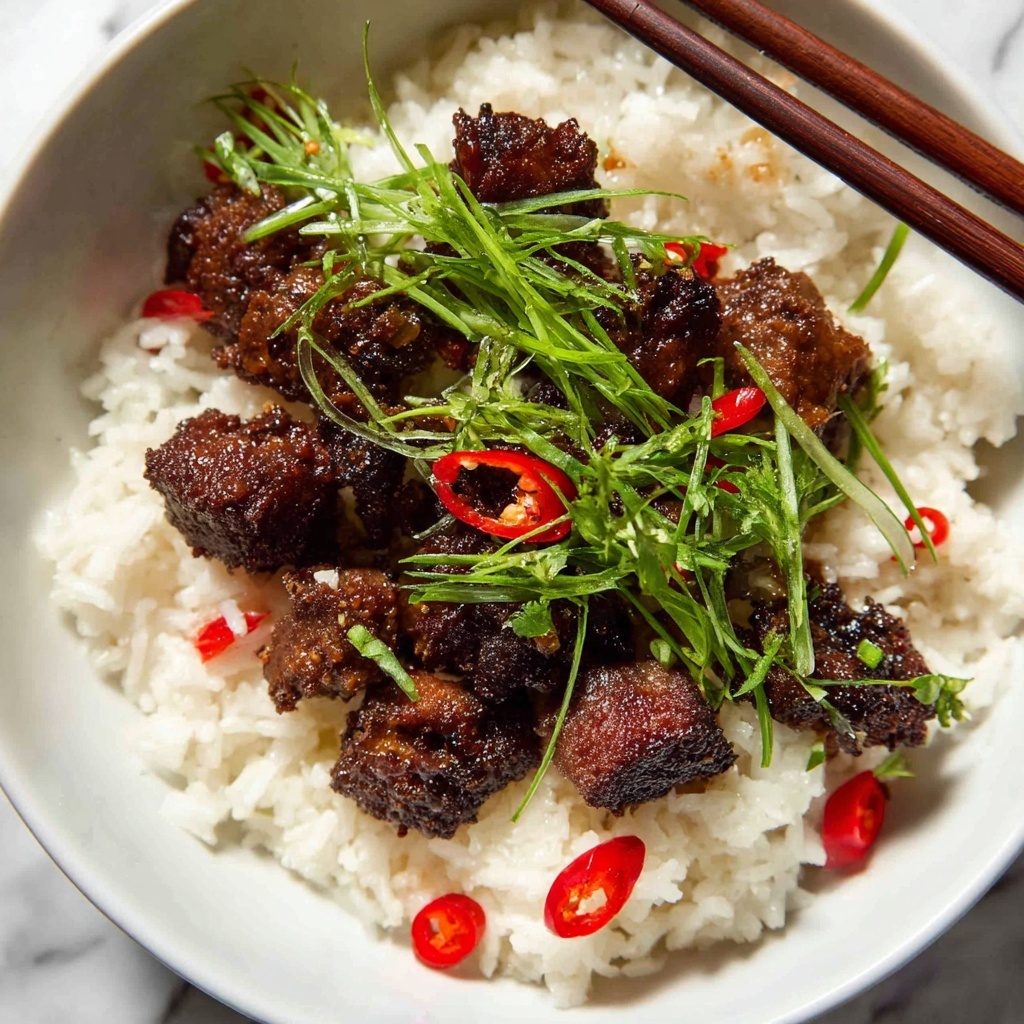
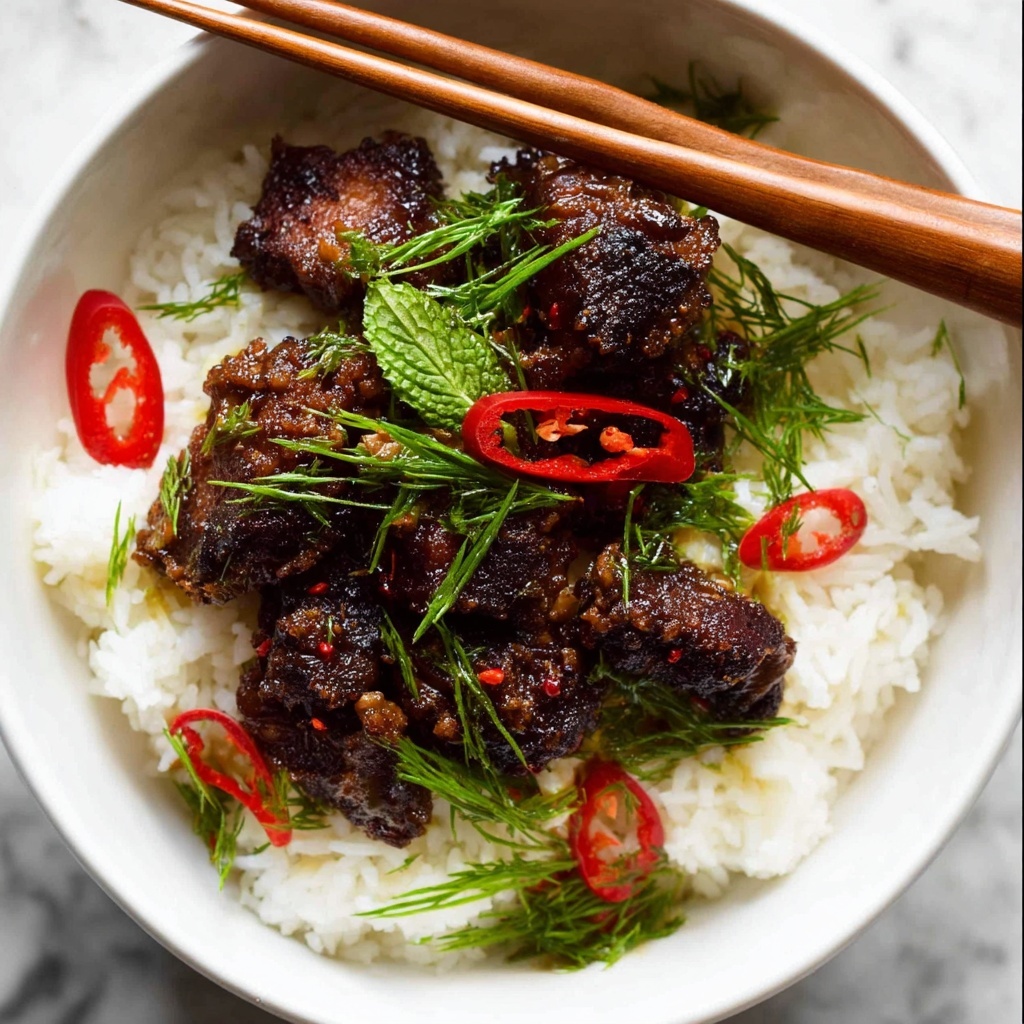
If you have ever wondered how to create a dish that bursts with deep, rich flavors and melts tenderly in your mouth, let me introduce you to the magic of the Vietnamese Caramel Pork Recipe. This dish is a beautiful marriage of sweet, savory, and umami notes, simmered slowly to perfection so every bite is a luscious experience. The glossy caramel sauce envelops tender chunks of pork, creating an irresistible balance of textures and layers that feel like a warm hug from the heart of Vietnamese cuisine. Trust me, once you try this recipe, it will become one of those treasured dishes you find yourself craving over and over again.
Ingredients You’ll Need
Preparing this Vietnamese Caramel Pork Recipe is delightfully straightforward because each ingredient plays a crucial role in building the dish’s signature flavor and texture. These simple essentials come together beautifully, delivering caramelized notes, tender meat, and that subtle hint of aromatic heat.
- Brown sugar (1/2 cup / 100g): The foundation of the caramel sauce, creating that deep, golden sweetness that defines the dish.
- Water (1 tbsp): Helps dissolve the sugar just right for the perfect caramel base without burning.
- Pork shoulder or boneless skinless pork belly (1 kg / 2 lb): Cut into 3 cm pieces, this cut provides the perfect balance of meat and fat for tender, juicy results.
- Coconut water (1.5 cups / 375 ml): Adds subtle sweetness and softens the pork as it simmers, while contributing a delicate tropical aroma.
- Shallot (1 small, very finely sliced): Brings a mellow onion flavor, adding aromatic depth to the dish.
- Garlic cloves (2, minced): Essential for boosting the savory richness without overpowering.
- Fish sauce (1.5 tbsp): The umami superstar that ties all flavors together with an authentic Vietnamese touch.
- White pepper (1/4 tsp): Provides a gentle heat and subtle spice to balance the sweetness.
- Red chili and finely sliced shallots or green onions: Garnishes that introduce freshness, color, and a hint of sharpness to brighten every bite.
How to Make Vietnamese Caramel Pork Recipe
Step 1: Create the Caramel Base
Start by placing the brown sugar and water in a large pot over medium heat. Stir gently until the sugar dissolves and the mixture bubbles, transforming into that gorgeous amber caramel. This process is crucial—if the caramel is too dark, it can taste bitter, but just right and it lends the dish a beautiful depth of flavor.
Step 2: Add Pork and Aromatics
Once your caramel is perfectly melted, add the pork pieces, coconut water, finely sliced shallot, minced garlic, fish sauce, and white pepper right into the pot. Stir everything so the pork is coated in the caramel sauce, infusing it with flavor from the very start.
Step 3: Simmer to Tender Perfection
Adjust the heat to maintain a steady simmer—not boiling hard and not too gentle. Let the pork cook uncovered for about 1.5 hours. This slow simmer is what softens the pork beautifully and allows the flavors to concentrate. Stir once or twice during this time to keep the pork from sticking and to ensure even cooking.
Step 4: Watch the Transformation
As the liquid reduces, you’ll see the fat begin to separate and pool around the pork pieces. This is the magic moment when the pork starts to caramelize and brown right in its own fat, turning each chunk into an irresistible caramelized morsel.
Step 5: Finish with a Glaze
Continue stirring as the sauce thickens and clings to the pork pieces, allowing the caramel to develop a shiny glaze. When the liquid has evaporated and the pork pieces are beautifully coated and slightly sticky, your Vietnamese Caramel Pork is ready.
Step 6: Serve and Garnish
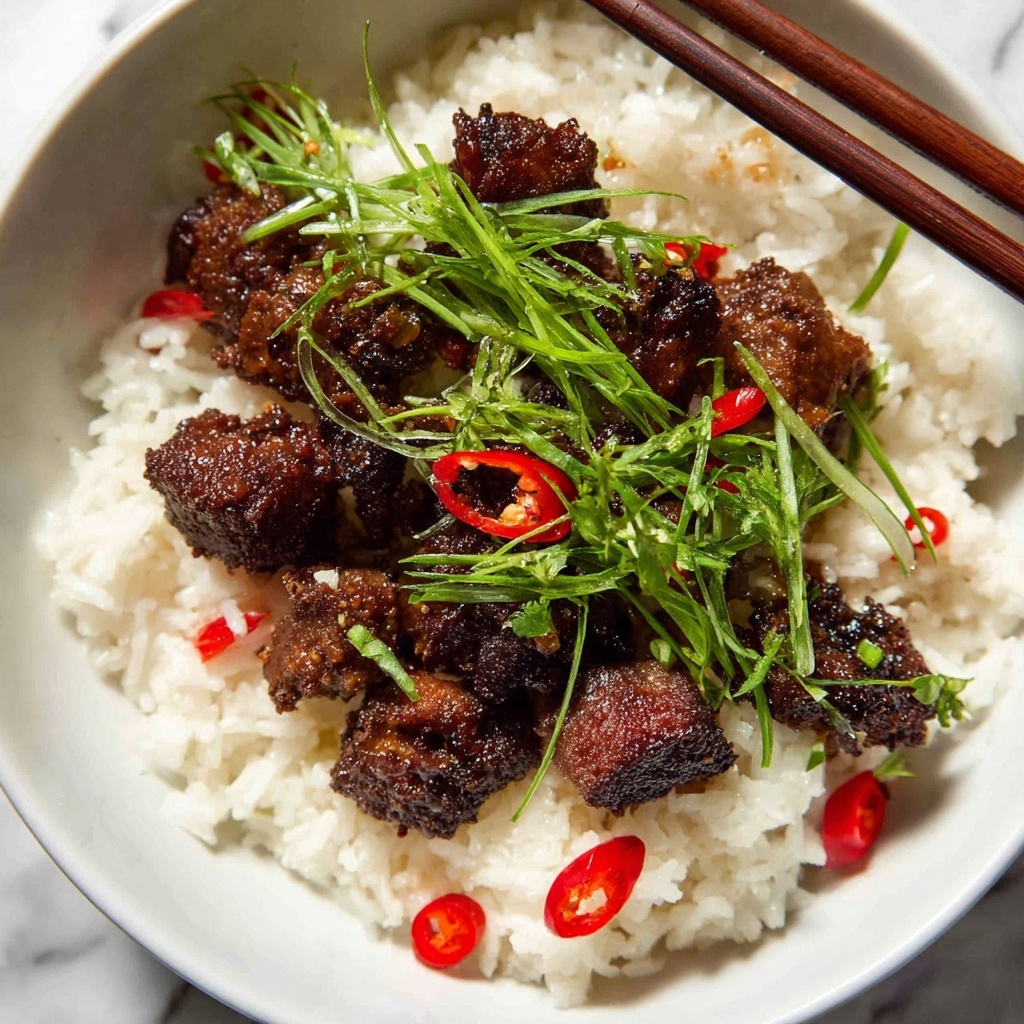
Turn off the heat and prepare to serve. Layer your pork over fluffy steamed rice and sprinkle freshly sliced red chili and shallots or green onions on top to add brightness and a pop of color.
How to Serve Vietnamese Caramel Pork Recipe
Garnishes
Simple garnishes like thinly sliced red chili and fresh shallots or green onions create a delightful contrast to the rich, caramelized pork. They add brightness and a little heat that balances the dish perfectly, enhancing every bite without overshadowing the flavors you’ve worked so lovingly to develop.
Side Dishes
This Vietnamese Caramel Pork Recipe pairs impeccably with steamed jasmine rice, which soaks up all that luscious caramel sauce. To balance the richness, offer simple pickled vegetables like carrots and daikon— their fresh acidity creates a harmonious, palate-cleansing effect that keeps the meal exciting and refreshing.
Creative Ways to Present
For a fun twist, serve the pork in lettuce cups with a sprinkle of crushed peanuts and fresh herbs like mint or cilantro. This adds a crunchy texture and herbal freshness that elevate the dish. Alternatively, turn it into a bao bun filling for a luscious bite-sized treat that guests will rave about.
Make Ahead and Storage
Storing Leftovers
Leftover Vietnamese Caramel Pork can be stored in an airtight container in the refrigerator for up to 3 days. The flavors actually deepen as it rests, making the leftovers taste even better the next day.
Freezing
If you want to freeze the pork, let it cool completely before transferring it to a freezer-safe container. It will keep well for up to 2 months. Thaw overnight in the fridge before reheating to preserve its tender texture and rich flavor.
Reheating
When reheating Vietnamese Caramel Pork Recipe, use a gentle heat in a pan over low to medium flame, adding a splash of water or coconut water if needed to prevent the caramel from burning or sticking. This will help maintain the wonderful caramelized sauce and tender meat without drying it out.
FAQs
Can I use other cuts of pork for this recipe?
Absolutely! While pork shoulder or pork belly are preferred for their balance of fat and tenderness, you can experiment with other cuts like pork butt. Just make sure the meat has enough fat content to keep it juicy during the long simmer.
What if I don’t have coconut water?
Coconut water adds a subtle sweetness and fragrance, but if it’s not available, you can substitute with water or a mild broth. The dish will still be delicious, though the unique hint of coconut might be missing.
How spicy is this dish?
This Vietnamese Caramel Pork Recipe is not inherently spicy. The fresh chili garnish provides a mild heat that you can adjust to your preference. You can omit the chili altogether if you prefer a completely mild dish.
Is it necessary to simmer for 1.5 hours?
Yes, simmering slowly allows the pork to become incredibly tender and the flavors to deepen. Rushing this process will result in tougher meat and a less developed caramel sauce.
Can I make this recipe vegetarian or vegan?
This recipe relies heavily on pork and fish sauce for its signature taste. However, for a plant-based twist, you could experiment with tofu or seitan as a substitute and use soy sauce or a vegan fish sauce alternative. The caramel sauce method still works beautifully.
Final Thoughts
This Vietnamese Caramel Pork Recipe is truly a gem to add to your culinary repertoire. It’s the kind of dish you’ll want to make again and again—not only because it tastes fantastic but because the process of creating that glossy, fragrant caramel sauce feels like a rewarding little kitchen ritual. Don’t hesitate to invite friends or family to savor this meal with you, and watch how this humble yet incredibly flavorful dish can turn an ordinary day into a special occasion.
Print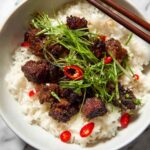
Vietnamese Caramel Pork Recipe
- Prep Time: 10 minutes
- Cook Time: 1 hour 30 minutes
- Total Time: 1 hour 40 minutes
- Yield: 4 servings
- Category: Main Course
- Method: Stovetop
- Cuisine: Vietnamese
Description
Vietnamese Caramel Pork is a rich, savory, and slightly sweet dish featuring tender pork simmered slowly in a caramelized brown sugar sauce with coconut water, fish sauce, garlic, and shallots. The pork becomes succulent and caramelized, making it perfect served over rice with fresh chili and pickled vegetables for a balanced meal.
Ingredients
Caramel Sauce
- 1/2 cup (100g) brown sugar, tightly packed
- 1 tbsp water
Pork and Seasoning
- 1 kg (2 lb) pork shoulder (butt) or boneless skinless pork belly, cut into 3 cm (1.2″) pieces
- 1.5 cups (375 ml) coconut water
- 1 eschallot / shallot, very finely sliced
- 2 garlic cloves, minced
- 1 1/2 tbsp fish sauce
- 1/4 tsp white pepper
Garnish
- Red chili, finely sliced
- Finely sliced shallots or green onions
Instructions
- Make the caramel: Place the brown sugar and water in a large pot over medium heat. Stir initially until the sugar dissolves and the mixture bubbles, turning golden and caramelized.
- Add pork and seasonings: Once caramelized, add the pork pieces, coconut water, finely sliced shallots, minced garlic, fish sauce, and white pepper to the pot. Stir to combine.
- Simmer the pork: Adjust the heat to maintain a steady simmer—not a rapid boil nor too slow—using medium heat. Cover is left off, and cook uncovered for 1.5 hours, stirring once or twice during cooking to prevent sticking.
- Check for tenderness and fat separation: After 1.5 hours, the liquid should be reduced and the pork tender. At this point, the fat will begin to separate from the sauce.
- Caramelize the pork in fat: Stir the pork gently so it browns and caramelizes in the rendered fat, developing a rich color and flavor.
- Reduce sauce to glaze: Continue cooking until all the liquid evaporates and the caramelized sauce sticks to the pork pieces, coating them beautifully.
- Serve: Serve the Vietnamese caramel pork hot over steamed rice. Garnish with fresh sliced red chili and shallots or green onions. Serve alongside simple pickled vegetables to add acidity and contrast to the rich pork.
Notes
- Note 1a: Pork shoulder or boneless skinless pork belly works best because of the balance between lean meat and fat, which caramelizes nicely.
- Note 1b: Coconut water adds subtle sweetness and depth; you can substitute with water if unavailable but flavor may be less rich.
- Note 2: Finely sliced shallots add mild onion flavor and sweetness; eschallots can be used interchangeably.
- Note 3: If pork is not yet tender after 1.5 hours, continue simmering until it softens, adjusting heat as necessary.